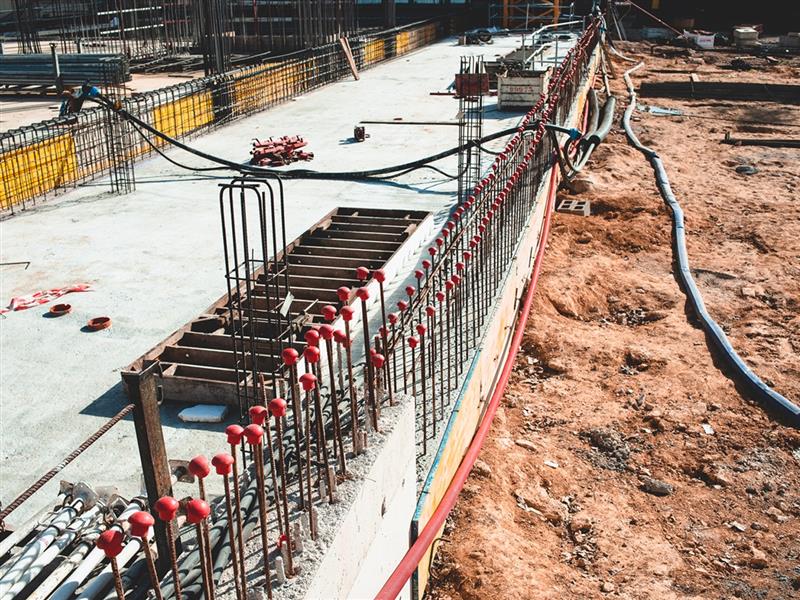
Sheet Pile Installation

A general Synopsis of Sheet Pile Installation Techniques, Highlights, and Best Practices

For commercial and sea projects in particular, sheet piling installation is essential to maintaining soil preservation and structural strength in existing buildings. Sheet piles offer a safe and inexpensive solution for a variety of industries, from supporting huge operations to safeguarding coastal areas.  

Every facet of sheet pile installation is covered in this complete book, including techniques, supplies, uses, pros and cons, and how to pick up the top sheet piling operator. The product, known as a sheet pile retaining wall, is widely used in both short-term and long-term construction projects.  


The Value of Building Sheet Pile Walls  

When stabilizing soil or controlling water, sheet pile wall construction is crucial. These walls are especially helpful in:  

  • Extensive excavations   
  • Coastal protection and riverbanks   
  • Subterranean constructions   
  • Abutments on bridges   
  • Parking structures and basements   


What Is Sheet Pile Installation?  

The process of driving interlocking sheets usually composed of steel, vinyl, or wood into the ground to form a continuous barrier is known as sheet pile installation. These barriers serve to support excavation sites, hold soil in place, and stop water intrusion.  

They are essential to civil engineering because of their resistance to water pressure and lateral earth pressure.  

Sheet Pile Types Used  

Depending on the needs of the project, different materials are used:  

  1. Piles of steel sheets

Steel sheet pile installation, the most popular kind, is favored because of its strength, longevity, and reusability.  

Benefits  

  • High capacity to support loads   
  • Long life expectancy   
  • Eco-friendly and reusable   
  1. Piles of Vinyl Sheets

Because of its resistance to corrosion, it is primarily used in marine environments.  

  1. Sheet piles made of wood

usually applied to low-load or transient structures.  

  1. Sheet piles made of composite

A blend of materials intended to improve performance.  


Techniques for Sheet Pile Driving  

The sheet pile driving technique employed has a significant impact on the effectiveness of sheet piling. The most popular methods are listed below:  

  1. Driving with an impact hammer

This conventional technique drives piles into the ground with a hammer.  

Advantages  

  • Ideal for soil that is dense   
  • High capacity for penetration   

Cons: 

  • produces vibration and noise.   
  1. Driving with vibration

By lowering soil resistance, a vibratory hammer facilitates easier penetration. 

Advantages  

  • Quicker installation   
  • Quieter than impact driving   

Cons:  

  • In extremely dense soils, less effective   
  1. Press-in Hydraulic Method

This technique, which is also referred to as silent piling, presses piles into the ground without causing any vibration.  

Advantages  

  • Very little vibration and noise   
  • Perfect for cities   

Cons:  

  • More costly and slower   
  1. Jetting Technique

Soil is loosened with water jets to facilitate pile insertion.  

Advantages  

  • Effective in sandy soils   

Cons:  

  • Unsuitable for cohesive soils   

  Detailed Instructions for Installing Sheet Pilings  

It is easier to guarantee high-quality execution when one is aware of the sheet piling installation procedure:  

  1. Setting Up the Site
  • Testing and analysis of soil   
  • Getting rid of obstacles   
  • Alignment marker setting   
  1. Equipment Configuration
  • Choosing the right equipment   
  • Setting up cranes and operating machinery   
  1. Setting Up the Piles
  • aligning the initial pile of sheets   
  • Making sure that vertical accuracy   
  1. Pile Driving
  • Using a chosen driving technique   
  • Adjacent piles interlocking   
  1. Capping and Cutting
  • Pile trimming to the necessary height   
  • If necessary, installing caps   
  1. Anchoring (if necessary)
  • Including anchors or tiebacks for extra support   


Sheet Pile Retaining Wall Applications  

sheet pile retaining wall is frequently and adaptably utilized in:  

  1. Waterfront Buildings
  • Harbors and ports   
  • Seawalls   
  • Building a dock   
  1. Protection Against Flooding
  • Embankments along rivers   
  • Barriers against flooding   
  1. Support for Excavation
  • Building a basement   
  • Subterranean utilities   
  1. Infrastructure Initiatives
  • Bridges and highways   
  • Building railroads   

  Benefits of Installing Sheet Piles  

  1. Fast Installation

 Sheet piles are quicker to install than conventional techniques, which saves time.  

  1. Economical 

It is a cost-effective option due to lower labor and material costs.  

  1. Reusability

Materials can be reused several times, particularly when installing steel sheet piles.  

  1. Minimal Space Needed

Perfect for confined urban building sites.  

  1. Excellent Durability and Strength

able to endure harsh loads and environmental circumstances. 

 Difficulties in Installing Sheet Piling  

Despite its benefits, there are certain drawbacks:  

  1. Vibration and Noise

Some sheet pile driving techniques may cause nearby structures to be disturbed.  

  1. The state of the soil

Soils that are rocky or hard may make installation more difficult.  

  1. Corrosion

If steel piles are not properly treated, they may corrode in harsh environments.  

  1. Problems with Alignment

Wall integrity may be jeopardized by improper alignment.  

 Selecting the Best Contractor for Sheet Piling  

The success of the project depends on choosing a qualified sheet piling contractor. Here are important things to think about:  

  1. Knowledge andproficiency 

Search out contractors who have a track record of building sheet pile walls.  

  1. Accessibility of Equipment

Verify that they have the most recent tools for the different sheet pile driving procedures.  

  1. Technicalproficiency 

A professional constructor should be knowledgeable about engineering concepts and soil mechanics.  

  1. Security Requirements

It is crucial to conform to safety regulations.  

  1. Project Portfolio

Examine previous projects to determine their dependability and quality.  


The Best Methods for Installing Steel Sheet Piles Effectively  

Use these best procedures to guarantee the greatest outcomes:  

  1. Perform a thorough analysis of the soil

Knowing the type of soil aids in choosing the best steel sheet pile installation technique. 

  1. Make Use of Superior Materials

particularly crucial for durability while installing steel sheet piles.  

  1. Constantly Check Alignment

Use advanced instruments to ensure precision.  

  1. Choose the Correct Driving Method

Make a decision based on soil state and constraints of the environment.  

  1. Put Corrosion Protection in Place

When required, apply coatings or cathodic protection.  


Environmental Aspects  

Sustainability is emphasized in modern building, and when done properly, sheet piling installation can be eco-friendly:  

  • Steel and other recyclable materials  
  • Very little excavation is needed.  
  • decreased displacement of soil  
  • Reduce carbon emissions using effective techniques 

 Upcoming Developments in Sheet Pile Wall Architecture  

As technology advances, the field of sheet pile wall construction is changing:  

  1. Intelligent Monitoring Systems

sensors for real-time wall stability monitoring.  

  1. High-Tech Materials

materials and alloys that resist corrosion.  

  1. Automation

Automated equipment is used for accurate installation.  

  1. Ecological Methods

Pay attention to environmentally friendly products and techniques.  


Sheet Pile Installation Cost Factors  

The following variables affect the price of installing sheet pilings:  

Type of material (vinyl, steel, etc.)  

  • Conditions of the soil  
  • Pile length and depth  
  • Method of installation  
  • Equipment and labor  

Steel sheet pile installation may be more expensive initially, but over time, it is frequently more cost-effective due to its durability and reusability.  

 In conclusion,  

A key method in present building techniques, sheet pile placement offers unparalleled strength, efficiency, and adaptability. This technology has several programs, such as building a sheet of pile retaining walls for seaside construction or preserving large passages.  

You might ensure the performance of the project by selecting the correct supplies, employing a certified sheet piling expert, and being cognizant of the various sheet pile drive strategies.  

Investment in professional sheet piling construction is a practical and secure decision if you are thinking about a building project that calls for soil protection or irrigation. 


Read more...

Complete Guide to Diaphragm Wall Construction: Method, Process, Cost and Benefits

The method, Process, Technique, Cost, and Principal Advantages of Diaphragm Wall Construction

Strong and solid maintaining structures are necessary for deep foundations and underground production in present day infrastructure tasks. Perforated wall constructing is one of the most popular strategies for fabricating huge basements and substructures. In closely populated city regions, this method is critical for developing underground utilities such as metro stations, basements, tunnels, dams, and widespread foundations.

In view of the fast urban enlargement and the want for wider systems, d-wall construction has come to be the popular choice for contractors and engineers because of its structural energy, water resistance, and capability to help deep constructions.

This in-depth guide will cowl the diaphragm wall creation technique, diaphragm wall construction procedure, strategies, blessings, packages, and elements influencing diaphragm wall creation cost.

What Is Diaphragm Wall Construction?

The Solid concrete walls are constructed below the usage of a special profound foundation called diaphragm wall creation technique. These partitions act as keeping limitations that conserve soil and water pressure and are constructed before production begins.

To assemble the wall, a deep pit need to be created and filled with reinforced concrete. During extraction, a assisting fluid, often bentonite mixture, is applied to preserve the ditch walls from collapsing.

These partitions can serve both on the spot and long-time period structural functions, inclusive of:

Soil retention at some point of deep excavation
serving as the walls of the muse
Providing obstacles which might be water-proof
providing aid for subterranean structures
The capability and structural strength of d-wall structures make it a popular preference for large infrastructure initiatives.


Diaphragm Wall Construction’s Significance in Modern Infrastructure

Urban production usually takes area in extraordinarily populated areas with little room and deep excavation strategies. The balance wished for deep excavation may not be supplied by using traditional retaining techniques.

This problem is resolved by way of the diaphragm wall construction method, which gives:

Strong structural integrity
Very little vibration of the floor
Outstanding groundwater control
Capacity to construct underground structures and deep basements
Diaphragm partitions are crucial to present day construction tasks as cities enlarge vertically, and subterranean infrastructure grows.

Diaphragm Wall Construction Applications

Numerous civil engineering tasks appoint the diaphragm wall creation method. Among the maximum popular uses are:

1. Metro Stations Underground

To aid deep excavations and prevent soil crumble, diaphragm walls are frequently utilized in metro rail projects.

2. Building Basements

Diaphragm partitions are critical for supplying robust retaining assist in high-upward push homes with multiple basement degrees.

3. Building Tunnels

D-wall production is often utilized in tunnel portals and shafts to stabilize the surrounding soil.

4. Mechanical Structures and Dams

In reservoirs and dams, diaphragm partitions can function reduce-off walls to prevent water seepage.

5. Strong Bases

For main infrastructure tasks like energy vegetation and bridges, they serve as basis walls.

Diaphragm Wall Building Technique

The diaphragm wall production method builds robust concrete partitions beneath using unique equipment and fluid neutralization. The technique continues the firmness of the trench throughout excavating and urban laying.

The following steps are typically concerned within the production of diaphragm walls:

Construction of manual walls
Employing a grasp or cutter to excavate a trench
Bentonite-primarily based slurry assist
Positioning of reinforcement cages

Emptying concrete with the tremie technique Depending on the needs of the mission, this approach permits engineers to build partitions which might be at least 50 meters deep.


Procedure for Building Diaphragm Walls

The diaphragm wall building approach is done systematically to keep precision, protection, and structural integrity.

1. Construction of Guide Walls Guide

Walls are little walls made from bolstered concrete which can be built on the ground. During trench digging, those partitions aid in retaining alignment and guiding excavation device.


Additionally, they aid in maintaining the soil near the trench commencing from collapsing.


2. Excavation of trenches

Following the development of guide walls, excavation begins with specialised equipment like:

The hydraulic take hold of
Grab a clamshell
Cutter for hydro mills

The trench is dug out in panels which might be typically between 2.Five and seven meters lengthy. To stabilize the partitions in the course of excavation, bentonite slurry is constantly pumped into the trench.


3. Stabilization of Slurry

Bentonite slurry is a important part of the diaphragm wall production method. By setting hydrostatic forces on the trench partitions, it prevents the soil from collapsing.


Additionally, by way of creating a thin filter layer on the ditch surface, the slurry fortifies the excavation walls.


4. Installation of Reinforcement Cages

After the trench has been eliminated to the suitable degrees, a premade steel bolstered cage is dropped into it.

These cages, that are constructed in admire of structural format standards, offer the diaphragm wall with the appropriate pressure.


5. Placement of Concrete (Tremie Method)

Concrete placement using the tremie method is the ultimate level of the diaphragm wall construction method. Concrete is poured from the bottom up after a tremie pipe is positioned within the trench.


The bentonite slurry is accrued and recycled while the trench is packed with concrete. This technique ensures uncontaminated non-stop concrete placement.

Diaphragm Wall Construction Technique

The diaphragm wall production approach makes use of some of present day technology to assure accuracy and effectiveness.


1. Excavation with a hydraulic grasp

The soil is excavated in vertical panels using a mechanical take hold of.


2. The Hydro mill Cutter

A hydro mill makes use of rotating cutters to excavate hard soil and rock.


3. Systems for Slurry Support

During excavation, those structures maintain the ditch strong.


four. Method of Panel Construction


To maintain continuity, partitions are constructed the usage of number one and secondary panels that exchange.

Engineers are capable of construct diaphragm partitions with excessive accuracy and structural integrity way to those techniques.

Benefits of Building Diaphragm Walls

The many advantages of d-wall production in tricky constructing settings are the cause for its full-size use.

1. Strong Structure

Diaphragm walls are heavy-responsibility reinforced concrete structures.

2. Outstanding Resistance to Water

They lessen groundwater seepage and function watertight obstacles.

3. Fit for Extensive Digging

Excavation at very deep ranges is safe whilst the usage of the diaphragm wall building method.

4. Low Vibration and Noise

Diaphragm partitions produce extraordinarily minimal vibration, in contrast to pile riding techniques.

5. Efficiency of Space

They are best for building in crowded cities.

Difficulties in Building Diaphragm Walls

The diaphragm wall creation system has benefits, however there are drawbacks as well.

1. Exorbitant beginning prices

Project charges are extended with the aid of specialized device and materials.

2. The Need for a Skilled Workforce

Engineers and technicians with schooling are needed for the process.

3. Management of Slurry

Systems for recycling and sludge coping with should be in area.

4. Quality Assurance

It’s essential to keep concrete exceptional and alignment.

Factors Influencing the Cost of Building Diaphragm Walls

The diaphragm wall production price can vary substantially based totally on a number of variables.

1. The nation of the soil

Rock or tough soil makes extraction extra hard and expensive.

2. Wall Thickness and Depth

More sources and time are wanted for walls that are thicker and deeper.

3. Tools Employed

Costs are accelerated by means of sophisticated excavation gadget like hydro mills.

4. Location of the Project

Logistics costs may rise in crowded city areas.

5. Concrete Quantity and Reinforcement

More reinforcing is wanted for better structural masses.

The average price of constructing a diaphragm wall would possibly range greatly based on the location, technical specs, and complexity of the venture.

Selecting the Best Diaphragm Wall Building Firm

The achievement of the project relies upon on selecting the nice diaphragm wall construction agency.

A dependable company should offer:

Teams of professional engineers
Modern creation equipment
a track record of achievement in infrastructure initiatives
Strict safety policies
Effective task management
A skilled contractor guarantees correct and amazing software of the diaphragm wall production method.

Future of Diaphragm Wall Construction

Diaphragm wall production will maintain to alternate as era advances and infrastructure initiatives develop and complexity.

Among the upcoming developments are:
Systems for automated excavation
Better approach for recycling slurry
state-of-the-art monitoring systems
Sustainable constructing components
These innovations will beautify the efficiency and environmental sustainability of the d-wall production.


Read more...
Micropiles Construction

What Are Micropiles? Design, Construction Techniques, and Application

What Are Micropiles? 

So, what exactly is a micropile? Think of it as a small-diameter, deep foundation solution and micropile construction . Unlike their bulkier cousins—like traditional drilled shafts or driven piles—micropiles are typically less than 300 mm (about 12 inches) in diameter. They’re essentially a high-strength steel casing or reinforcing bar that’s drilled into the ground and then filled with a cement grout.

The magic of these drilled and grouted micropiles lies in their simplicity and incredible strength. Despite their small size, they can transfer significant loads to competent soil or rock layers far below the surface. This makes them ideal for sites with tricky soil conditions, limited access, or where minimal disturbance is required.


Design Principles: It’s All in the Details 

Designing a micropile isn’t just about sticking a rod in the ground. It’s a sophisticated process that involves engineering precision to ensure they can handle the job. The design revolves around two key components: geotechnical capacity and structural capacity.

Geotechnical Capacity

This is all about how the micropile interacts with the surrounding soil. The load is transferred to the soil through two main mechanisms:

  • Skin friction (friction between the grout and the soil) 
  • End-bearing (load supported by the pile tip) 

Geotechnical engineers conduct rigorous soil investigations to determine the soil layers’ properties and how much load they can safely bear. This is crucial for defining the length and spacing of the micropiles.

Structural Capacity

This refers to the strength of the micropile itself. The internal steel element, whether a pipe or threaded bar, is designed to handle tension or compression loads. The cement grout contributes additional strength and stiffness, ensuring that the pile behaves as a single, solid unit. Think of the steel as the spine and the grout as the muscle, they work together to create superior load-bearing capacity enhancement.

Design must also ensure the overall stability of the structure. In foundation underpinning systems, a group of micropiles might be used to lift and stabilize an existing building. The design must accommodate the specific loads, soil conditions, and existing structure geometry for long-lasting results.


Micropiles Construction: The Art of Precision 

Now, let’s get our hands dirty and explore micropiles construction—a process that’s both efficient and clean, making it ideal for urban environments.

Step 1: Drilling the Borehole 

A small-diameter drill rig creates a borehole to the desired depth. This is where micropiles installation begins. These compact rigs can access tight spaces, making them ideal for city centers or inside existing buildings. The most common drilling method is rotary drilling, using a wash or air flush to remove soil cuttings.

Step 2: Inserting the Steel Element 

Once the borehole is ready, a high-strength steel reinforcing bar or pipe is inserted—this is the core of the micropile and crucial for its structural integrity.

Step 3: Grouting 

A high-strength cement-based grout is pumped into the borehole from the bottom up, filling the space around the steel and locking it in place. This forms a strong bond with the surrounding soil, maximizing skin friction and overall capacity.

This drilled and grouted micropiles method is minimally disruptive, quiet, and low in vibration—perfect for sensitive structures and residential areas.

The micropiles construction process is a true testament to modern engineering, combining minimal footprint with maximum performance.


Applications: Where Micropiles Shine Bright 

So, where do you see micropiles in action? Pretty much everywhere! Their versatility makes them a top choice when traditional deep foundation solutions fall short. 

  1. Foundation Underpinning Systems

Perhaps the most common use. When a building’s foundation is failing due to settlement or water table changes, micropiles can stabilize and strengthen it. They’re drilled through the existing foundation and into stable ground, creating a new, deeper support system without major demolition. 

  1. Load-Bearing Capacity Enhancement

Need to support heavier loads? Whether you’re adding a new floor or installing heavy machinery, micropiles can boost the load capacity of an existing foundation. 

  1. Slope Stabilization and Retaining Walls

Micropiles serve as anchors in soil stabilization techniques, forming a network of deep supports that hold slopes in place and prevent landslides or erosion. They are often used alongside shotcrete or ground anchors to reinforce retaining walls. 

  1. Seismic Retrofitting

In earthquake-prone regions, micropiles improve a structure’s seismic resilience by anchoring the foundation to deeper, more stable strata. This makes buildings better equipped to resist shaking and lateral forces. 

  1. New Construction in Difficult Conditions

Building on loose sand, soft clay, or contaminated soil? Micropiles construction allows you to bypass weak layers and anchor into competent strata, ensuring a safe and durable foundation. 

The Economic and Environmental Edge 

Beyond their technical prowess, another reason for the growing popularity of micropiles construction is their significant economic and environmental advantages. The smaller equipment required for micropiles installation means lower mobilization costs and a smaller carbon footprint compared to large, heavy machinery. Their ability to work in confined spaces reduces the need for expensive and disruptive site clearing and excavation. Furthermore, because they create minimal noise and vibration, they are ideal for sensitive urban sites, minimizing disruption to surrounding communities and infrastructure. This makes them a smarter, more sustainable choice for modern projects, aligning perfectly with the industry’s increasing focus on green construction practices and efficiency. 


Final Thoughts: The Future of Deep Foundation Solutions 

As construction challenges grow, micropiles construction remain at the forefront of innovation. Their ability to provide high-strength support in compact form makes them invaluable in modern projects. 

From preserving historic landmarks to reinforcing high-rise towers, micropiles installation offers a clean, efficient, and powerful solution to today’s most complex foundation issues. 

Sometimes the best deep foundation solutions come in small packages. With urban areas becoming denser and demands on infrastructure rising, micropiles construction are set to play an even greater role in shaping our cities’ futures. 

Read more...