Complete Guide to Diaphragm Wall Construction: Method, Process, Cost and Benefits
The method, Process, Technique, Cost, and Principal Advantages of Diaphragm Wall Construction
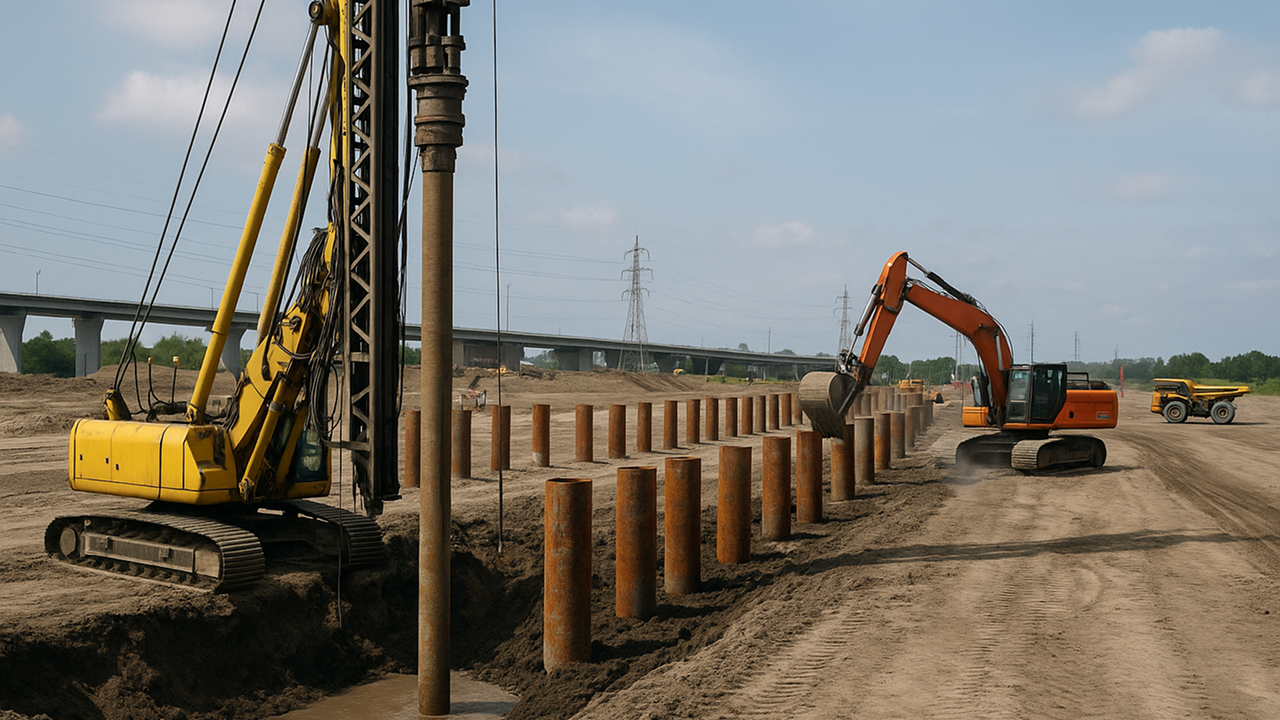
Strong and solid maintaining structures are necessary for deep foundations and underground production in present day infrastructure tasks. Perforated wall constructing is one of the most popular strategies for fabricating huge basements and substructures. In closely populated city regions, this method is critical for developing underground utilities such as metro stations, basements, tunnels, dams, and widespread foundations.
In view of the fast urban enlargement and the want for wider systems, d-wall construction has come to be the popular choice for contractors and engineers because of its structural energy, water resistance, and capability to help deep constructions.
This in-depth guide will cowl the diaphragm wall creation technique, diaphragm wall construction procedure, strategies, blessings, packages, and elements influencing diaphragm wall creation cost.
What Is Diaphragm Wall Construction?
The Solid concrete walls are constructed below the usage of a special profound foundation called diaphragm wall creation technique. These partitions act as keeping limitations that conserve soil and water pressure and are constructed before production begins.
To assemble the wall, a deep pit need to be created and filled with reinforced concrete. During extraction, a assisting fluid, often bentonite mixture, is applied to preserve the ditch walls from collapsing.
These partitions can serve both on the spot and long-time period structural functions, inclusive of:
Soil retention at some point of deep excavation
serving as the walls of the muse
Providing obstacles which might be water-proof
providing aid for subterranean structures
The capability and structural strength of d-wall structures make it a popular preference for large infrastructure initiatives.
Diaphragm Wall Construction’s Significance in Modern Infrastructure
Urban production usually takes area in extraordinarily populated areas with little room and deep excavation strategies. The balance wished for deep excavation may not be supplied by using traditional retaining techniques.
This problem is resolved by way of the diaphragm wall construction method, which gives:
Strong structural integrity
Very little vibration of the floor
Outstanding groundwater control
Capacity to construct underground structures and deep basements
Diaphragm partitions are crucial to present day construction tasks as cities enlarge vertically, and subterranean infrastructure grows.
Diaphragm Wall Construction Applications
Numerous civil engineering tasks appoint the diaphragm wall creation method. Among the maximum popular uses are:
1. Metro Stations Underground
To aid deep excavations and prevent soil crumble, diaphragm walls are frequently utilized in metro rail projects.
2. Building Basements
Diaphragm partitions are critical for supplying robust retaining assist in high-upward push homes with multiple basement degrees.
3. Building Tunnels
D-wall production is often utilized in tunnel portals and shafts to stabilize the surrounding soil.
4. Mechanical Structures and Dams
In reservoirs and dams, diaphragm partitions can function reduce-off walls to prevent water seepage.
5. Strong Bases
For main infrastructure tasks like energy vegetation and bridges, they serve as basis walls.
Diaphragm Wall Building Technique
The diaphragm wall production method builds robust concrete partitions beneath using unique equipment and fluid neutralization. The technique continues the firmness of the trench throughout excavating and urban laying.
The following steps are typically concerned within the production of diaphragm walls:
Construction of manual walls
Employing a grasp or cutter to excavate a trench
Bentonite-primarily based slurry assist
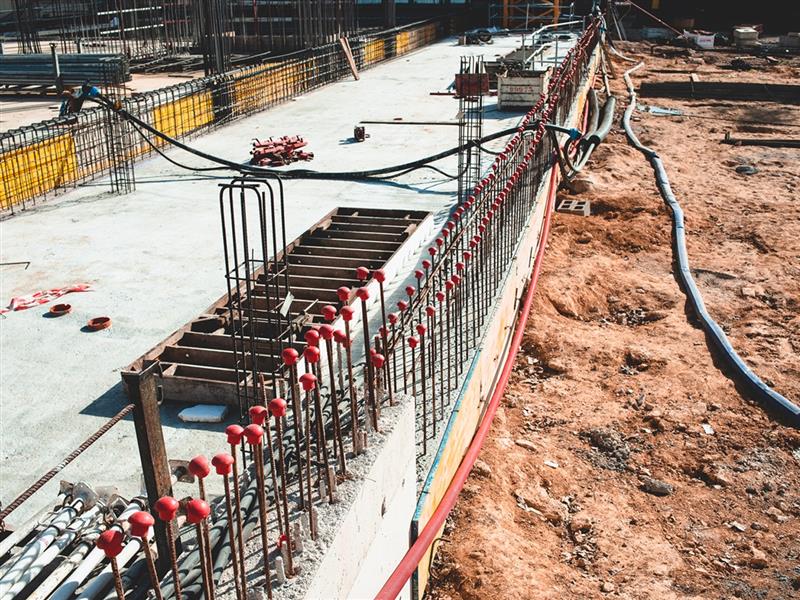
Positioning of reinforcement cages
Emptying concrete with the tremie technique Depending on the needs of the mission, this approach permits engineers to build partitions which might be at least 50 meters deep.
Procedure for Building Diaphragm Walls
The diaphragm wall building approach is done systematically to keep precision, protection, and structural integrity.
1. Construction of Guide Walls Guide
Walls are little walls made from bolstered concrete which can be built on the ground. During trench digging, those partitions aid in retaining alignment and guiding excavation device.
Additionally, they aid in maintaining the soil near the trench commencing from collapsing.
2. Excavation of trenches
Following the development of guide walls, excavation begins with specialised equipment like:
The hydraulic take hold of
Grab a clamshell
Cutter for hydro mills
The trench is dug out in panels which might be typically between 2.Five and seven meters lengthy. To stabilize the partitions in the course of excavation, bentonite slurry is constantly pumped into the trench.
3. Stabilization of Slurry
Bentonite slurry is a important part of the diaphragm wall production method. By setting hydrostatic forces on the trench partitions, it prevents the soil from collapsing.
Additionally, by way of creating a thin filter layer on the ditch surface, the slurry fortifies the excavation walls.
4. Installation of Reinforcement Cages
After the trench has been eliminated to the suitable degrees, a premade steel bolstered cage is dropped into it.
These cages, that are constructed in admire of structural format standards, offer the diaphragm wall with the appropriate pressure.
5. Placement of Concrete (Tremie Method)
Concrete placement using the tremie method is the ultimate level of the diaphragm wall construction method. Concrete is poured from the bottom up after a tremie pipe is positioned within the trench.
The bentonite slurry is accrued and recycled while the trench is packed with concrete. This technique ensures uncontaminated non-stop concrete placement.
Diaphragm Wall Construction Technique
The diaphragm wall production approach makes use of some of present day technology to assure accuracy and effectiveness.
1. Excavation with a hydraulic grasp
The soil is excavated in vertical panels using a mechanical take hold of.
2. The Hydro mill Cutter
A hydro mill makes use of rotating cutters to excavate hard soil and rock.
3. Systems for Slurry Support
During excavation, those structures maintain the ditch strong.
four. Method of Panel Construction
To maintain continuity, partitions are constructed the usage of number one and secondary panels that exchange.
Engineers are capable of construct diaphragm partitions with excessive accuracy and structural integrity way to those techniques.
Benefits of Building Diaphragm Walls
The many advantages of d-wall production in tricky constructing settings are the cause for its full-size use.
1. Strong Structure
Diaphragm walls are heavy-responsibility reinforced concrete structures.
2. Outstanding Resistance to Water
They lessen groundwater seepage and function watertight obstacles.
3. Fit for Extensive Digging
Excavation at very deep ranges is safe whilst the usage of the diaphragm wall building method.
4. Low Vibration and Noise
Diaphragm partitions produce extraordinarily minimal vibration, in contrast to pile riding techniques.
5. Efficiency of Space
They are best for building in crowded cities.
Difficulties in Building Diaphragm Walls
The diaphragm wall creation system has benefits, however there are drawbacks as well.
1. Exorbitant beginning prices
Project charges are extended with the aid of specialized device and materials.
2. The Need for a Skilled Workforce
Engineers and technicians with schooling are needed for the process.
3. Management of Slurry
Systems for recycling and sludge coping with should be in area.
4. Quality Assurance
It’s essential to keep concrete exceptional and alignment.
Factors Influencing the Cost of Building Diaphragm Walls
The diaphragm wall production price can vary substantially based totally on a number of variables.
1. The nation of the soil
Rock or tough soil makes extraction extra hard and expensive.
2. Wall Thickness and Depth
More sources and time are wanted for walls that are thicker and deeper.
3. Tools Employed
Costs are accelerated by means of sophisticated excavation gadget like hydro mills.
4. Location of the Project
Logistics costs may rise in crowded city areas.
5. Concrete Quantity and Reinforcement
More reinforcing is wanted for better structural masses.
The average price of constructing a diaphragm wall would possibly range greatly based on the location, technical specs, and complexity of the venture.
Selecting the Best Diaphragm Wall Building Firm
The achievement of the project relies upon on selecting the nice diaphragm wall construction agency.
A dependable company should offer:
Teams of professional engineers
Modern creation equipment
a track record of achievement in infrastructure initiatives
Strict safety policies
Effective task management
A skilled contractor guarantees correct and amazing software of the diaphragm wall production method.
Future of Diaphragm Wall Construction
Diaphragm wall production will maintain to alternate as era advances and infrastructure initiatives develop and complexity.
Among the upcoming developments are:
Systems for automated excavation
Better approach for recycling slurry
state-of-the-art monitoring systems
Sustainable constructing components
These innovations will beautify the efficiency and environmental sustainability of the d-wall production.