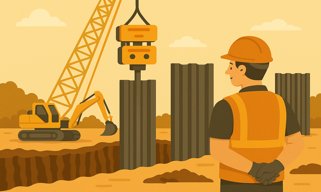
Deep basement under construction using diaphragm wall technique in Surat

Best Practices for Building Deep Basements with Diaphragm Walls in Surat

The skyline of Surat is fast changing. From gleaming high-rises to vast metro projects, the city is growing relentlessly. Building deep basements with diaphragm walls in Surat where the ground may be as erratic as the flow of the Tapi River presents a difficulty, though, along with this boom. Deep basements form the backbone of modern infrastructure here, whether they are for commercial centers, parking lots, or subterranean metro stations. Now enter diaphragm walls, a breakthrough for building solid, watertight basements on Surat’s challenging topography. Drawing on local knowledge and real-world experience, let’s tour the best practices for using these walls. 

Getting the Lay of the Land 

Before you even think about digging, you need to know what’s beneath your feet. Surat’s soil is a mixed bag, think soft clay in some areas, sandy patches in others, and a water table that’s often higher than you’d like. A solid geotechnical survey is non-negotiable. You’re looking at boreholes, soil tests, and groundwater checks to map out the site’s quirks. For instance, near the Tapi, water levels can mess with your plans if you’re not prepared. A local firm like Grimtech can help nail this step, ensuring your diaphragm wall stands strong. 

Designing with Surat in Mind 

It’s not enough to just do the math to design a diaphragm wall; you also need to know how to deal with the unique problems that Surat presents. Soil and water put a lot of pressure on these walls, which are usually between 600 and 1500 mm thick. This is especially true in deep holes that can reach 50 meters. Use tools like finite element analysis to predict how the wall will interact with Surat’s clayey or sandy soils. Don’t skimp on reinforcement, steel cages are your wall’s backbone. And since Gujarat gets the occasional seismic shake, factor that in too. For extra waterproofing, add water bars or bentonite seals. Basement leaks are a pain in Surat. For deep tunnels in Surat, a diaphragm wall needs to be designed in a smart, site-specific way. 

Laying the Groundwork with Guide Walls 

You’re in a bustling Surat neighborhood, surrounded by shops and apartments, and you need to dig a deep trench without causing chaos. The first thing you need are guide walls. About a meter deep, these shallow concrete walls keep your digging tools on track and make sure the hole stays straight.  In Surat’s crowded sites, where a slip could shake buildings close, accuracy is key. To avoid expensive repairs down the road, use high-quality concrete and check the line twice. Building a good guide wall is the first step to a smooth job. It keeps everything safe and steady. This important prep work is what makes the diaphragm wall for deep basements in Surat work.

Digging Deep with Bentonite 

Going to dig is now the fun part. Bentonite sludge is your best friend in Surat, where the ground is soft and water can sneak up on you. This thick, soupy mix keeps the trench walls from collapsing as you dig and keeps water out. Hydraulic grabs or trench cutters do the heavy lifting, carving out trenches that can plunge 50 meters or more. The trick is keeping the slurry’s density and viscosity just right, too thin, and the trench could cave in; too thick, and it’s a mess to work with. Testing things often and recycling them keep costs low and the earth happy. It is important to keep this balance when building a diaphragm wall for a deep basement in Surat. 

Building the Wall 

Once your trench is ready, it’s time to make it permanent. Lower a steel reinforcement cage into the slurry-filled trench to give the wall its strength. In Surat’s soggy conditions, ensuring the cage stays put is crucial, any shift during concreting could spell trouble. Pour concrete using tremie pipes, starting from the bottom to push out the slurry without mixing. The concrete mix should include waterproofing additives, like crystalline compounds, to keep water out. This step needs skilled hands and eagle-eyed quality checks to ensure a solid, leak-free wall. Diaphragm wall for deep basements in Surat is only as strong as its execution here. 

Keeping Water Out in a Waterlogged City 

Surat’s high water table, especially near the Tapi, means waterproofing isn’t optional, it’s a must. Diaphragm walls are naturally good at blocking water, but you can’t stop there. Install rubber or PVC water stoppers at panel joints to seal gaps. In some cases, like projects near the river, you might need post-construction grouting or even a secondary false wall to handle minor leaks. Look at the Surat Metro’s underground stations, they’ve mastered this to keep stations dry. Hire a waterproofing specialist to get it right, because a soggy basement is nobody’s idea of success. Building Deep Basements with Diaphragm Walls in Surat needs this extra layer of protection.

Building Green in a Growing City 

Surat’s construction scene is buzzing, but it’s got to be sustainable too. Diaphragm walls are a win here, they use less material than traditional piling and produce less waste. Recycling bentonite slurry and using eco-friendly concrete mixes cut down on environmental impact. Plus, these walls are built to last, reducing the need for repairs down the line. Their low-vibration construction is a bonus in Surat’s crowded areas, keeping nearby buildings safe. As the city grows, these practices align with its push for greener urban development. Building Deep Basements with Diaphragm Walls in Surat is a step toward a sustainable future. 

Prioritizing Safety and Quality 

Deep excavations are risky, but diaphragm walls make them safer. Their narrow trenches reduce the chance of soil collapse compared to open digs. Still, safety protocols are critical, train workers to handle heavy equipment like hydrofraise machines and enforce strict site rules. Quality control means checking everything: slurry consistency, cage alignment, concrete strength. In Surat’s busy streets, low-vibration methods like diaphragm walls protect nearby structures, keeping neighbors happy. Regular inspections ensure the wall meets design specs, avoiding costly do-overs. Diaphragm wall for deep basements in Surat combines safety and precision for flawless results. 

Tackling Surat’s Unique Challenges 

Surat throws some curveballs: soft soils, high groundwater, and packed urban sites. Unstable soil might need vibro stone columns to boost stability before you start. Traffic and utility lines in areas like Adajan or Vesu demand coordination with local authorities. Advanced rigs, like Casagrande machines, help navigate tough conditions with precision. Monitor ground movements to prevent settlement that could damage nearby buildings. By planning for these challenges, you keep projects on track and within budget, no matter what Surat’s soil throws at you. Diaphragm wall for deep basements in Surat overcomes these hurdles with expertise. 

Real-World Wins in Surat 

Look around Surat, and you’ll see diaphragm walls in action. The Surat Metro’s underground stations rely on them to handle deep excavations in soft, waterlogged soils. High-rise projects in Vesu and Althan use them for multi-level parking basements, squeezing every inch of space out of tight plots. These projects show how diaphragm walls deliver stability and efficiency, even in tough conditions. They’re not just a construction technique, they’re a solution to Surat’s urban challenges, enabling bigger, bolder developments. Diaphragm wall for deep basements in Surat is shaping the city’s future, one project at a time. 

Wrapping It Up 

Building deep basements with diaphragm walls in Surat is no small feat, but diaphragm walls make it possible. From detailed site surveys to robust waterproofing, every step matters. By following these best practices, you can create basements that are safe, durable, and ready for Surat’s urban demands. As the city grows, diaphragm walls will keep playing a starring role, supporting everything from metro stations to skyscrapers. Diaphragm wall for deep basements in Surat isn’t just about building down, it’s about building a stronger, smarter city for tomorrow.

FAQ:

1: Why are diaphragm walls essential for deep basement construction in Surat?

Diaphragm walls are crucial in Surat due to its soft clay soils and high groundwater levels, especially near the Tapi River. These walls offer strong, watertight support for deep basements in commercial buildings, metros, and parking facilities. Their low-vibration installation also protects nearby structures in Surat’s dense urban settings.

What challenges do diaphragm walls in Surat face during construction?

Key challenges include varying soil conditions—clay, sand, or rocky layers—and water ingress due to a high water table. Additionally, tight construction spaces in areas like Vesu or Adajan require compact machinery and precise planning. Diaphragm walls in Surat overcome these with slurry management, soil-specific design, and advanced trenching tools.

3: How are diaphragm walls in Surat waterproofed to prevent basement leakage?

To ensure waterproofing, builders in Surat use crystalline concrete additives, PVC water stoppers at joints, and bentonite slurry during trenching. In high-risk zones near the Tapi River, extra steps like post-grouting or secondary protective walls are used to keep deep basements dry and structurally sound.

4: What sustainable practices are followed when building diaphragm walls in Surat?

Eco-conscious diaphragm wall construction in Surat includes using recycled bentonite slurry, low-carbon concrete mixes, and minimal excavation waste. Their longevity and low maintenance make them a green choice for Surat’s growing skyline, supporting environmentally friendly development.

5: What projects in Surat have successfully used diaphragm walls?

Notable projects include the Surat Metro underground stations and high-rise basements in Vesu and Althan. These used diaphragm walls to manage deep, water-sensitive soils efficiently, proving their strength, durability, and space-saving benefits in Surat’s urban infrastructure boom.
Read more...
Contractor inspecting a vibro hammer machine at a construction site in India

Maintenance Tips for Contractors Renting a Vibro Hammer

Renting a vibro hammer can be a game-changer for construction projects, whether you’re setting piles for a high-rise foundation or prepping a bridge site. These machines churn out powerful vibrations to sink piles into the ground, saving you time and sweat. But when you’re renting, the responsibility to keep it running smoothly falls on you. I’ve seen jobs go sideways because someone skipped basic upkeep, and trust me, the fallout—delays, repair costs, or an angry rental company—isn’t worth it. Let’s break down some practical, no-nonsense tips to keep your vibro hammer in top shape and your project on track. Vibro Hammer on rent in India is a budget-friendly choice, but it’s on you to maintain it. 

Understand the Equipment Before Use 

Before you even think about firing up that vibro hammer, take a beat to get to know it. These machines use hydraulic systems to generate vibrations that loosen soil, letting you drive or pull piles with ease. But not every hammer’s the same—some have tricky clamps or finicky power units. Sit down with the manual; it’s your roadmap. Check the hydraulics, eyeball the clamps, and make sure the power pack’s good to go. I once rented from Grimtech, and their team walked me through the setup like it was second nature. If something’s unclear, don’t guess—call the rental company. Vibro Hammer on rent in India providers are usually happy to answer questions to keep you rolling.

Daily Pre-Operation Checks 

Start your day with a quick check of the vibro hammer. It’s like kicking the tires on a truck—just a few minutes can catch problems before they blow up. Look for loose bolts, cracks in the frame, or hoses that look like they’ve seen better days. Check the hydraulic fluid; if it’s low, you’re asking for trouble like overheating. Make sure the clamps are tight—loose ones can throw off your pile alignment or worse. Give the vibration system a short test run to confirm it’s humming right. If anything feels off, like a weird rattle, don’t shrug it off. Get on the phone with the rental folks. Vibro Hammer on rent in India companies often have techs who can jump in fast.

Keep It Clean 

Construction sites are a mess—mud, dust, and gravel everywhere. If you let that junk pile up on your vibro hammer, you’re setting yourself up for headaches. Debris can sneak into the hydraulics or grind down moving parts. At the end of each shift, grab a hose or a low-pressure washer and give the machine a good scrub. Pay extra attention to the clamps, vibratory unit, and hydraulic lines, but don’t blast seals or electrical bits with high pressure—it’ll do more harm than good. A clean machine runs better, and you’ll spot issues faster. Rental companies appreciate a clean return, too. Vibro Hammer on rent in India is a solid deal, but only if you keep it tidy.

Monitor Hydraulic Systems 

The hydraulic system is the vibro hammer’s powerhouse, driving those vibrations that make it so effective. A tiny leak or low fluid can turn into a disaster, so check hoses and fittings every day for drips or wear. Make sure the fluid’s clean and topped up—grimy fluid can chew up the system like sandpaper. Stick to the fluid type the rental company recommends; I learned the hard way that swapping in the wrong kind can cause a shutdown. If you see a leak, don’t duct-tape it unless it’s a quick fix. Call the pros. Vibro Hammer on rent in India often comes with maintenance kits, so ask what’s included.

Lubricate Moving Parts 

Vibro hammers take a pounding from constant vibrations, and friction is a killer. Regular greasing keeps the bearings, gears, and clamps moving like they should. The manual will tell you what lubricant to use and when—usually daily or after a certain number of hours. Don’t go overboard; too much grease just attracts dirt and gums things up. Focus on high-wear spots like the clamps and vibratory unit. I’ve seen a neglected bearing seize up mid-job, and it cost us a day. Keep it lubed, and you’ll avoid that mess. Vibro Hammer on rent in India providers often include greasing schedules, so stick to them.

Pay Attention to Operating Conditions 

How you run the vibro hammer is just as crucial as how you maintain it. Don’t try to drive piles that are too big for the machine—it’ll strain everything from the motor to the hydraulics. Keep an eye on the ground; rocky or super-tough soil can overwork the hammer. In India’s rainy season, I’ve seen waterlogged sites wreak havoc, so cover the machine to keep rust at bay. On scorching days, give it breaks to cool off. Using it right means less wear and fewer breakdowns. Vibro Hammer on rent in India is tough, but you’ve got to respect its limits.

Train Your Team

A vibro hammer’s only as good as the crew behind it. I’ve seen new guys wreck a machine because they didn’t know the basics. Before anyone touches it, run a training session—go over the controls, walk through the manual, and drill in the importance of daily checks. Tell your team to speak up if they hear odd noises or notice the hammer’s sluggish. A sharp crew catches problems before they spiral. Vibro Hammer on rent in India usually comes with operator guides, so make sure everyone’s read them and knows what’s up. 

Schedule Regular Maintenance Breaks 

Daily checks are great, but every week or so, set aside time for a deeper look. Check the vibratory unit’s alignment, inspect the power pack, and test the controls to make sure everything’s tight. If that’s not your thing, call the rental company’s techs—most include this kind of support. These breaks also let the machine rest, which can keep it running longer. Jot down what you check in a log; it’s handy if the rental company asks. Vibro Hammer on rent in India providers often have technicians on standby, so don’t be shy about reaching out. 

Store Properly When Not in Use 

When the hammer’s not working, don’t leave it out in the elements. Find a dry, covered spot to shield it from rain, dust, or blazing heat. Prop it up to keep it off wet ground, and disconnect the power unit. Store hydraulic parts somewhere clean to avoid rust. I once saw a hammer returned with corrosion because it was left in a muddy lot—big mistake. Before you send it back, give it a final clean and check. Vibro Hammer on rent in India companies appreciate when you treat their equipment like your own. 

Communicate with the Rental Company 

Keep the lines open with your rental provider. If the hammer’s making strange noises, leaking, or just not performing, don’t wait—call them. In India’s fast-paced rental market, most companies are quick to help so your job doesn’t stall. Don’t try to fix big issues yourself; you could void the contract or make it worse. Keep a record of any problems and what maintenance you’ve done—it shows you’re on top of things. Good communication keeps everyone happy. Vibro Hammer on rent in India works best when you and the supplier are a team. 

Why Maintenance Matters 

Taking care of a vibro hammer isn’t just about keeping it running—it’s about keeping your crew safe, your project on time, and your costs down. A neglected machine can lead to accidents, delays, or extra fees when you return it. I’ve seen contractors hit with charges for returning a beat-up hammer, and it’s not pretty. On the flip side, a well-maintained machine gets the job done and keeps the rental company off your back. These tips are your playbook for a smooth rental experience. Vibro Hammer on rent in India is a great option, but only if you put in the work to keep it in shape.

FAQ:

1: What should I check before using a rented vibro hammer in India?

Before operating a vibro hammer on rent in India, inspect the hydraulic fluid levels, check clamps and bolts for tightness, look for leaks or visible damage, and test the vibration system. Always review the manual and consult the rental company for a walkthrough to avoid misuse or costly breakdowns.

2: How often should I lubricate a vibro hammer during a rental period?

Daily lubrication is essential, especially for high-wear components like clamps, bearings, and the vibratory unit. Stick to the grease type recommended in the manual and avoid over-greasing, which can attract debris. Vibro hammer rental companies in India often provide a greasing schedule—follow it to extend the life of the machine.

3: How can I prevent hydraulic issues when using a vibro hammer on rent in India?

To avoid hydraulic failure, check fluid levels daily, monitor for leaks or worn hoses, and ensure you’re using the correct fluid type. Contaminated or low hydraulic oil is a common cause of damage. If you spot issues, contact the rental provider instead of attempting major repairs yourself.

4: What’s the best way to store a vibro hammer between uses on-site?

Always store your vibro hammer in a dry, shaded area off wet ground. Disconnect power units, clean off debris, and cover exposed components. Proper storage helps prevent rust, contamination, and system damage—especially during monsoon or extreme heat conditions in India.

5: What should I do if the vibro hammer isn’t performing well during a rental?

If you notice unusual noise, reduced power, or visible leaks, stop using the machine and immediately contact your rental company. Vibro hammer on rent in India usually includes tech support or maintenance coverage. Logging the issue and maintenance done helps avoid penalties during return.

Read more...
Experienced team working on diaphragm wall construction in Ahmedabad

How to Pick a Top-Notch Diaphragm wall construction company in Ahmedabad

Look, if you’re building something big in Ahmedabad—say, a metro station in Navrangpura or a basement for a shiny new mall on SG Highway—you need a diaphragm wall. These deep concrete walls hold up the ground, keep water out, and make sure your project doesn’t sink like a bad joke. But picking the right company to do this in a city as busy as ours? That’s the real challenge. There’s a ton of players out there, and not all of them are worth your time. So, what do you look for in a diaphragm wall construction company in Ahmedabad? Let’s break it down, no fluff, just the good stuff you need to know. 

Experience That Knows Ahmedabad’s Ground 

Building diaphragm walls isn’t like slapping together a brick wall. It’s serious business—digging deep, pouring concrete, all while the ground’s trying to mess with you. In Ahmedabad, you’ve got sandy soil near Ellisbridge, clay out in Thaltej, and who-knows-what near the Sabarmati. You want a company that’s been around, done the dirty work, and knows our city like the back of their hand. Think firms that’ve built for the Ahmedabad Metro or those fancy basements at GIFT City. Grimtech’s one name that pops up—they’ve handled tricky sites from Maninagar to Vastrapur. A diaphragm wall construction company in Ahmedabad with 10-12 years of local jobs is your safest bet. 

Ask them straight up: what projects have you done here? Got any near SP Ring Road’s chaos or by the river where water’s a pain? If they’ve got answers and proof—photos, client names, whatever—that’s a green flag. Also, check if they know newer tricks, like using that polymer stuff to keep trenches from collapsing. It’s not just experience; it’s experience that fits our city. 

Gear That Doesn’t Let You Down 

You don’t want a company showing up with some rusty old machine that breaks down mid-dig. Diaphragm walls need proper gear—big rigs, hydraulic grabs, maybe a Casagrande or Bauer to cut through soil clean and fast. Grimtech’s got a setup like that; their machines hum along, no hiccups, even in Bopal’s tough ground. A diaphragm wall construction company in Ahmedabad with solid, modern equipment means fewer delays and walls that don’t wobble. 

But it’s not just about the shiny toys. Do they check their concrete to make sure it’s strong enough? Use computers to plan the steel cages right? That’s what keeps walls standing when groundwater’s pushing hard or an earthquake shakes things up. If they’re cutting corners on this, walk away. You want a crew that’s got the tools and the brains to use them. 

Safety That Keeps Things Smooth 

Listen, construction sites are no picnic. Heavy rigs, deep holes, steel flying around—one slip, and you’ve got a mess. A good company in Ahmedabad doesn’t mess around with safety. They’re handing out helmets, harnesses, those tough boots, no excuses. Other firms does this right—welders get face shields, sites get barriers, the works. A diaphragm wall construction company in Ahmedabad that’s all about safety isn’t just looking out for their guys; they’re keeping your project from turning into a legal nightmare. 

Ask them: what’s your safety setup? Got first aid ready? Ambulance parked nearby? Signs and fences to keep random folks out? If they’re aiming for zero accidents, that’s a company you can trust to deliver without drama. Safety’s not just a checklist; it’s what keeps the job moving. 

A Team That’s Got It Together 

Building these walls takes a whole squad—engineers who know the math, soil experts who read the ground, welders who shape steel like it’s art, crane guys who don’t flinch. A top company in Ahmedabad has all these folks in-house, working like they’re on the same page. Wagad Infra’s team, for example, runs like a well-oiled machine, no confusion, no delays. A diaphragm wall construction company in Ahmedabad with a tight crew like that gets stuff done right. 

But it’s not just about them. You want a company that talks to you, explains things without the jargon. Like, why’s this slurry thing important? Can they tweak the plan if you need it? If they’re open, clear, and treat you like a partner, that’s half the battle won. Nobody’s got time for a contractor who ghosts you. 

Materials That Won’t Quit 

A diaphragm wall’s only as good as what it’s made of. You need concrete that’s rock-solid, steel that doesn’t bend, and that slurry—bentonite or polymer—to hold the trench steady. Good companies don’t cheap out here. Grimtech’s one outfit that’s picky about using top-grade stuff, and it shows in their walls. If a company’s got its own concrete plant, like Hindustan RMC, that’s a big win—they control the mix, no weak spots. A diaphragm wall construction company in Ahmedabad using junk materials? That’s a wall waiting to crack. 

Also, think about the green side. These walls already save water by not needing crazy pumping, but the best firms do more—less waste, cleaner methods. Ahmedabad’s pushing for eco-friendly builds, so a company that gets that is ahead of the curve. 

Deadlines You Can Count On 

Ahmedabad’s construction game doesn’t slow down. A delay on your project—whether it’s a metro stop or a mall basement—can cost you big. The best companies stick to their word on timelines. Heritage Infraspace, for instance, plans every step, even for monsters like metro jobs, so they’re done when they say. Ask: how do you avoid screw-ups? Test the soil first? Got enough workers and machines? 

Pricing That’s Straight-Up 

Let’s not kid ourselves—diaphragm walls cost a chunk of change. Fancy rigs, skilled workers, good materials—it adds up. But a solid company gives you a fair deal, no hidden surprises. They’ll hand you a quote that breaks it down: labor, concrete, equipment, everything. Indiana Build Infrastructure, who worked on Palladium Mall, does this well—clear numbers, no shocks. A diaphragm wall construction company in Ahmedabad that’s honest about costs is one you can trust. 

Super-low bids? Big red flag. That’s usually code for cheap concrete or skimping on safety, which means trouble later. Get quotes from a few places, but don’t just chase the cheapest. Go for the one that gives you a strong wall without robbing you blind. 

A Name That Means Something 

You want a company people vouch for. Check what their clients say—online reviews, word of mouth, whatever. Sygnific Infra gets thumbs-ups for their commercial work around town. Ask for names of folks they’ve worked for in Ahmedabad; call them up. If they’ve got certifications, like that ISO 9001 thing, that’s a plus. A diaphragm wall construction company in Ahmedabad with awards or big projects—like metro lines or GIFT City—probably knows what they’re doing. 

Conclusion 

Picking a diaphragm wall construction company in Ahmedabad isn’t just about ticking boxes; it’s about finding someone who’s got your back. You need experience that knows our soil, gear that works, safety that’s tight, a team that clicks, materials that last, deadlines that stick, prices that make sense, and a name you can bank on. Firms like Grimtech, the kind of firms setting the standard. Dig into their work, ask the hard questions, get clear quotes. With the right diaphragm wall construction company in Ahmedabad, your project’s foundation will be as solid as the city’s spirit. 

FAQ:

1: What should I look for in a diaphragm wall construction company in Ahmedabad?

Look for a company with proven experience in Ahmedabad’s varied soil conditions—from clay near Thaltej to sandy stretches by Ellisbridge. Ask about past projects, especially metro work or basements in dense urban zones. A top diaphragm wall construction company in Ahmedabad should offer site-specific expertise, strong safety standards, and up-to-date machinery like hydraulic grabs and trench cutters.

2: Why is local experience important for diaphragm wall construction in Ahmedabad?

Ahmedabad’s terrain is unpredictable, with high groundwater near the Sabarmati and tight working zones in areas like SG Highway or Navrangpura. A locally experienced company understands these constraints and uses the right mix of tools, materials, and planning to deliver safe and stable walls without delays.

3: What kind of equipment should a good diaphragm wall construction company use?

Top companies in Ahmedabad use modern rigs like Casagrande or Bauer, along with advanced tools like hydraulic grabs and bentonite mixing units. This ensures faster, cleaner trenching and better quality walls. Equipment that’s regularly serviced and matched to local ground conditions is key to avoiding costly downtime.

4: How can I verify the quality and safety standards of a diaphragm wall construction company in Ahmedabad?

Check for ISO certifications, safety protocols, and onsite practices like PPE compliance and barricading. Ask if they conduct regular concrete testing, maintain logs, and use planning tools like BIM. Reliable companies also provide client references and share quality assurance processes up front.

5: Are low-cost diaphragm wall services in Ahmedabad reliable?

Be cautious of unusually low bids. Reputable diaphragm wall companies in Ahmedabad offer transparent pricing based on quality materials, certified labor, and strong planning. Ultra-low quotes often mean shortcuts in safety, concrete strength, or equipment maintenance—leading to delays or long-term risks.

Read more...
Professional piling contractor inspecting drilling rig at a Delhi construction site

Top 5 Qualities to Look for in a Piling Contractor in Delhi

Building anything in Delhi, whether it’s a sleek office tower, a cozy apartment block, or a sturdy factory, starts with getting the foundation right. In a city where the ground can be as tricky as the traffic, piling contractors are the unsung heroes who make sure your structure doesn’t sink or crack. But picking the right one isn’t as simple as flipping through a directory. You need someone who’s got the skills, the tools, and the know-how to tackle Delhi’s unique challenges. So, what makes a Piling Contractor in Delhi stand out? Here’s my take on the five must-have qualities, drawn from years of watching construction projects come to life. 

1. A Solid Track Record

You wouldn’t trust a rookie surgeon with a heart transplant, so why gamble on an untested piling contractor? Experience is everything in this game. A good Piling Contractor in Delhi has a resume packed with projects that mirror what you’re planning, think high-rises, bridges, or industrial plants. They’ve seen it all: the soupy clay soils near the Yamuna, the sandy patches in Dwarka, the tight urban lots where every inch counts. 

When I was overseeing a small commercial build in Karol Bagh, we hired a contractor who’d done dozens of jobs in similar cramped spaces. Their knack for micro-piling saved us weeks and kept the neighbors happy. Ask for proof of past work, photos, client names, or even a quick site visit. A contractor worth their salt will have stories of tough jobs they’ve nailed, not just promises. 

2. Top-Notch Gear

Piling isn’t a hammer-and-nail job. It’s heavy-duty work that needs serious machinery. Delhi’s fast-paced construction scene doesn’t forgive delays from busted equipment or old-school methods. A reliable Piling Contractor in Delhi rolls up with modern rigs, think hydraulic pile drivers or CFA machines, that can punch through the city’s mixed soils without breaking a sweat.

I remember a project in Noida where the contractor’s shiny new rotary rig finished the job days ahead of schedule, while their competitors were still wrestling with creaky old gear. Ask what machines they use and how often they’re serviced. Bonus points if they’ve got tech like ground-penetrating radar to scope out soil conditions. Companies like Grimtech, for example, have a rep for staying on the cutting edge, which is why their piles hold up under pressure. 

3. Safety First, Always

Piling sites are no joke, think massive steel piles, roaring machines, and deep holes in the ground. One wrong move can mean disaster, especially in Delhi’s crowded neighborhoods. A standout Piling Contractor in Delhi treats safety like gospel. They’re not just slapping helmets on their crew; they’ve got a whole system, training, certifications, the works, to keep everyone safe.

On a site I visited in South Delhi, the contractor had safety marshals patrolling the perimeter, making sure no one wandered into danger zones. Their gear was top-grade, and they even had signs in Hindi and English to warn passersby. Check if your contractor follows BIS codes or international standards. If they can’t show you a safety plan or proof of crew training, run the other way. Safety isn’t just about avoiding fines; it’s about getting the job done without anyone getting hurt. 

4. Straight Talk and Tight Planning

Nothing derails a project faster than a contractor who plays hide-and-seek with updates. The best Piling Contractor in Delhi keeps you in the know, from the first soil test to the last pile driven. They’re upfront about costs, timelines, and any curveballs, like monsoon floods or surprise permit delays, that Delhi loves to throw.

I once worked with a contractor in Gurgaon who sent daily progress emails and flagged a soil issue before it blew the budget. That kind of honesty saved us a fortune. Look for someone who breaks down their quote clearly, no vague “miscellaneous” line items, and uses tools like project management apps to track milestones. If they’re dodging your questions or promising the moon, they’re probably more trouble than they’re worth. 

5. Delhi DNA

Delhi’s not just a city; it’s a puzzle. Every neighborhood has its own vibe, heritage rules in Old Delhi, sky-high ambitions in Connaught Place, flood-prone zones in East Delhi. A great Piling Contractor in Delhi knows the city like the back of their hand. They’ve got the scoop on local building codes, soil quirks, and how to sweet-talk the municipal office for permits. 

On a residential project in Vasant Kunj, our contractor suggested precast piles to dodge groundwater issues, a call only someone with local smarts could make. They also knew the exact seismic zone Delhi falls in and tailored the design to match. Ask your contractor about their experience in your project’s area. Have they dealt with the DDA or MCD before? Can they handle the paperwork without you babysitting? Local know-how turns a good contractor into a great one. 

Why This Matters 

You might think any contractor can hammer in a few piles and call it a day, but in Delhi, that’s a recipe for trouble. The city’s growth spurt, tricky soils, and red-tape maze mean you need a Piling Contractor in Delhi who’s firing on all cylinders. Skimp on any of these qualities, and you’re flirting with delays, budget busters, or worse, a foundation that cracks under pressure. 

I’ve seen projects grind to a halt because the contractor didn’t know the local rules or cheaped out on equipment. On the flip side, the best contractors make it look easy, delivering foundations that last decades. It’s like picking a chef for a big dinner, you want someone who’s cooked that dish a hundred times, not someone winging it with a YouTube tutorial. 

Finding the Right Fit 

So, how do you hunt down a Piling Contractor in Delhi who checks all these boxes? Start with some old-school legwork. Google local firms, scour reviews on platforms like Justdial, and ask around in construction circles. Narrow it down to three or four, then meet them face-to-face. Grill them on their experience, equipment, and how they’d handle your specific site. 

If you can, swing by one of their active sites. You’ll see firsthand if their crew is sharp and their gear is humming. Compare their quotes, but don’t fall for the lowest bid, cheap often means shoddy. Trust your gut, too. A contractor who listens, explains things clearly, and seems genuinely stoked about your project is usually a safe bet. 

Wrapping Up 

Building in Delhi is a wild ride, but a rock-solid foundation sets you up for success. A Piling Contractor in Delhi with a killer track record, modern equipment, a safety obsession, clear communication, and deep local roots is your ticket to a project that stands tall. Don’t rush the decision, vet your options, ask tough questions, and pick someone who feels like a partner, not just a hired hand. Your building’s future depends on it, and in a city as relentless as Delhi, that’s no small thing. 

FAQ:

1: What makes a reliable piling contractor in Delhi stand out?

A reliable piling contractor in Delhi has proven experience with local soil conditions, modern piling equipment, a strong safety record, and transparent project communication. Look for companies that have handled diverse projects—from basements in Karol Bagh to bridges in Dwarka—and understand Delhi’s construction regulations.

2: Why is local experience important when hiring a piling contractor in Delhi?

Delhi’s diverse terrain—ranging from clay-heavy soil near the Yamuna to sandy zones in West Delhi—requires a piling contractor familiar with regional challenges. Local experience ensures your contractor can handle area-specific concerns like groundwater, permit processes, and seismic zoning regulations.

3: What kind of equipment should a top piling contractor in Delhi use?

Top-tier contractors use hydraulic rigs, rotary piling machines, CFA rigs, and ground-penetrating radar. Regular maintenance and equipment upgrades are critical to prevent delays. Ask about the brands they use—like Casagrande or Bauer—and whether they own or lease the machines.

4: How do I ensure a piling contractor in Delhi follows proper safety standards?

Ask for their safety certifications, PPE protocols, and accident prevention plans. A trustworthy piling contractor in Delhi follows BIS or ISO standards, offers regular crew training, uses signage in multiple languages, and ensures strict access control on-site.

5: What’s the best way to evaluate a piling contractor’s credibility in Delhi?

Review their portfolio of past projects, request client references, and check online reviews. Visit an active site if possible. A credible piling contractor in Delhi will be transparent about their track record, provide detailed cost breakdowns, and communicate clearly throughout the process.

Read more...