ground development

Ground Improvement: Techniques, Methods & Modern Solutions in Construction

Ground improvement is a essential technique in modern creation that guarantees soil is robust sufficient to support systems competently and correctly. Whether it’s highways, bridges, excessive-rise homes, or commercial initiatives, ground development strategies play a key position in enhancing soil homes and stopping structural failures.

In this complete manual, we’ll discover soil improvement techniques, advanced technologies, and how floor stabilization strategies are reworking the construction industry.

🔹 What is Ground Improvement?

Ground development refers to a number of strategies used to enhance the engineering residences of soil. These techniques increase soil power, lessen agreement, and enhance load-bearing ability, making the floor appropriate for production.

It is extensively utilized in:

  • Weak or gentle soil regions
  • Coastal and reclaimed land
  • Infrastructure and industrial projects

🔹 Importance of Ground Improvement in Construction

Using proper floor improvement in construction offers several advantages:

✔ Improves soil energy and balance

✔ Reduces agreement and deformation

✔ Enhances load-bearing ability

✔ Minimizes construction risks

✔ Increases lifespan of systems

This is why civil engineering floor improvement has become vital in cutting-edge infrastructure improvement.

🔹 Types of Ground Improvement Techniques

There are several soil stabilization strategies used depending on soil situations and project requirements:

1. Vibro Compaction Method

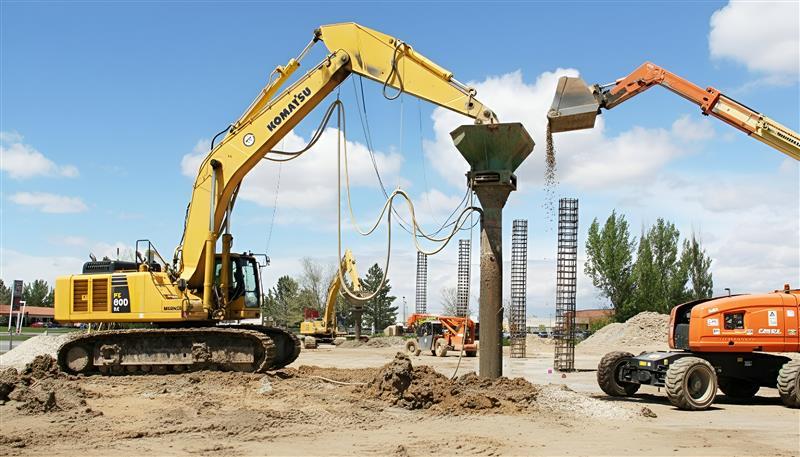
The vibro compaction method is used to densify loose granular soils like sand. A vibrating probe is inserted into the floor, rearranging soil particles into a denser configuration.

Key Benefits:

  • Increases soil density
  • Reduces agreement
  • Ideal for sandy soils

2. Vibro Flotation Technique

The vibro flotation method (also called vibroflotation) is a famous ground stabilization method used for deep soil improvement.

Applications:

  • Land reclamation projects
  • Ports and harbors
  • Large infrastructure developments

3. Stone Column Installation

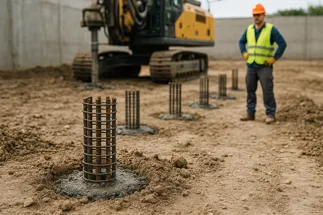
Stone column installation involves putting columns of crushed stone into smooth soil to enhance strength and drainage.

Advantages:

  • Improves load-bearing capacity
  • Reduces liquefaction risk
  • Enhances drainage

four. Soil Stabilization Techniques

Various soil stabilization strategies are used to regulate soil homes:

  • Mechanical stabilization (compaction)
  • Chemical stabilization (lime, cement)
  • Geosynthetics reinforcement
  • Thermal stabilization

These methods are broadly utilized in infrastructure soil stabilization tasks inclusive of roads, railways, and airports.

5. Deep Soil Mixing

A present day soil development approach where binders like cement are blended with soil to create a more potent composite cloth.

6. Dynamic Compaction

Heavy weights are dropped from heights to compact unfastened soil layers, making it suitable for construction.

🔹 Applications of Ground Improvement

Ground improvement is vital in various sectors:

  • Residential & commercial creation
  • Highways and railways
  • Airports and ports
  • Industrial vegetation
  • Urban infrastructure initiatives

These programs highlight the importance of infrastructure soil stabilization in large-scale developments.

🔹 Choosing the Right Ground Improvement Method

Selecting the fine floor stabilization technique depends on:

  • Soil kind and circumstance
  • Project length and cargo requirements
  • Budget and timeline
  • Environmental elements

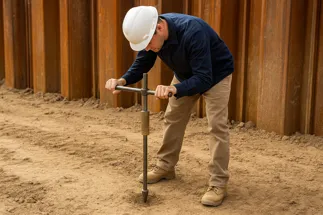
A right geotechnical investigation is continually recommended before choosing a technique.

🔹 Future of Ground Improvement in India

With fast urbanization and infrastructure boom, call for for floor development strategies is increasing in India. Advanced technologies like vibro techniques, geosynthetics, and green stabilization answers are shaping the destiny of the industry.

🔹 Conclusion

Ground development is a essential part of modern creation that ensures safety, durability, and efficiency. From vibro compaction approach to stone column set up, these superior soil development strategies assist engineers triumph over difficult ground conditions.

Read more...
Impact hammer in india

Impact Hammer in India: Complete Guide for Construction & Pile Driving

The demand for robust and dependable foundation device is rapidly increasing within the Indian creation region. One of the most vital equipment utilized in contemporary piling and basis work is the Impact Hammer. Whether it is used for riding piles, heavy-duty creation paintings, or commercial applications, the Impact Hammer in India plays a essential function in ensuring structural stability.

In this detailed guide, we will explore what an impact hammer is, the way it works, its packages, sorts, and why it’s far extensively used in infrastructure and basis initiatives throughout India.

What is an Impact Hammer?

An impact hammer is a effective creation tool designed to deliver excessive-electricity blows to pressure piles deep into the ground or destroy difficult surfaces. It is normally used in piling operations in which steel, concrete, or wooden piles want to be embedded into soil or rock to assist heavy systems.

Modern effect hammer machines are engineered with advanced hydraulic structures that offer unique and regular placing pressure, making them ideal for big-scale production projects.

Importance of Impact Hammer in India’s Construction Industry

India is witnessing speedy growth in infrastructure development, together with highways, metro tasks, bridges, and high-upward push homes. These initiatives require strong foundation systems.

A production effect hammer in India is broadly used as it helps:

  • Drive piles efficaciously into tough soil layers
  • Increase creation pace
  • Improve basis power
  • Reduce guide labor
  • Ensure structural stability for heavy structures

From metro rail tasks to marine creation, effect hammer equipment has grow to be critical in present day civil engineering.

Types of Impact Hammer Used in India

Different production projects require specific varieties of hammers depending on soil conditions, pile type, and venture scale.

1. Hydraulic Impact Hammer

A hydraulic impact hammer is one of the most superior piling equipment used in creation. It operates the use of hydraulic strain to generate effective blows.

Benefits:

  • High strength performance
  • Reduced noise and vibration
  • Precise manage of impact force
  • Suitable for massive infrastructure tasks

Hydraulic hammers are extensively utilized in bridge production, offshore piling, and metro rail tasks.

2. Pile Driving Impact Hammer

A pile driving impact hammer is mainly designed to install piles into the ground to assist heavy masses.

These hammers are used for:

  • Steel pile installation
  • Concrete pile riding
  • Marine foundation projects
  • Bridge and toll road production

The impact hammer for pile riding guarantees that piles reach the required depth and load-bearing capability.

3. Heavy Duty Impact Hammer

A heavy obligation effect hammer is utilized in tasks in which high strength output is required to force piles into dense soil or rocky floor.

Common programs include:

  • Deep basis production
  • Industrial infrastructure initiatives
  • Port and dockyard creation

These hammers are designed to withstand non-stop heavy-responsibility operations in traumatic environments.

4. Industrial Impact Hammer Machine

An commercial effect hammer system is used no longer simplest in construction but additionally in engineering trying out and structural analysis.

Industries that normally use these machines consist of:

  • Construction companies
  • Civil engineering laboratories
  • Infrastructure improvement companies

These machines supply steady force and reliable performance in diverse business applications.

Applications of Impact Hammer in India

The Impact Hammer in India is used throughout multiple sectors of the development and engineering industries.

1. Pile Foundation Construction

Impact hammers are important for installing piles that help homes, bridges, and business systems.

2. Bridge and Highway Projects

Large infrastructure initiatives require strong foundations, making impact hammer gadget a key device for pile installation.

3. Marine Construction

Ports, docks, and offshore systems require piles pushed deep into seabeds the usage of hydraulic effect hammers.

4. Metro and Railway Projects

Urban infrastructure initiatives depend heavily on pile using effect hammers to aid improved tracks and stations.

5. Industrial Infrastructure

Factories, strength flowers, and warehouses require strong foundations constructed the use of heavy obligation effect hammer era.

Advantages of Using Impact Hammer Equipment

Construction corporations in India choose present day effect hammer machines because they provide multiple advantages.

High Efficiency

Impact hammers deliver powerful blows that quick power piles into the floor, reducing venture time.

Strong Foundation Support

They make certain deep pile penetration, which improves structural balance.

Cost-Effective Solution

Using advanced construction effect hammer device in India reduces exertions charges and mission delays.

Suitable for Different Soil Conditions

Impact hammers can work efficaciously in clay, sand, and even rocky terrain.

Factors to Consider Before Choosing an Impact Hammer

Before choosing an commercial impact hammer machine, it’s far critical to recollect numerous elements:

  • Pile kind – steel, concrete, or wooden
  • Soil condition – soft soil or rock layers
  • Project size – small production or big infrastructure
  • Hammer strength capability – required placing pressure
  • Equipment compatibility – with cranes or rigs

Choosing the right impact hammer for pile riding ensures higher performance and assignment performance.

Future of Impact Hammer Technology in India

With fast infrastructure growth and government funding in highways, clever towns, and metro rail tasks, the call for for superior hydraulic impact hammers is anticipated to boom substantially.

Modern manufacturers are specializing in:

  • Energy-green designs
  • Low-noise effect hammers
  • Smart monitoring systems
  • High-performance piling gadget

These improvements will in addition enhance the efficiency and reliability of effect hammer device used in Indian production initiatives.

Conclusion

The Impact Hammer in India is an crucial piece of system for current creation and basis engineering. From using piles for bridges to assisting high-upward thrust homes, impact hammers provide the energy and precision needed for strong structural foundations.

Whether it is a hydraulic effect hammer, pile driving effect hammer, or heavy duty effect hammer, those machines play a essential function in making sure the achievement of huge infrastructure and industrial initiatives.

As India maintains to extend its infrastructure, the usage of advanced business impact hammer machines will stay a key factor of secure, green, and sturdy construction practices.

Vibro Hammer: Modern Solution for Efficient Pile Driving

A vibro hammer is another advanced equipment widely used in foundation and piling work. Unlike an impact hammer that uses repeated ضرب (blows), a vibro hammer works on the principle of vibration to drive piles into the ground.

This machine generates high-frequency vibrations that reduce soil resistance, allowing piles to penetrate smoothly and efficiently. Vibro hammers are especially useful in sandy and loose soil conditions where traditional impact hammer machines may be less efficient.

Key Benefits of Vibro Hammer

  • Faster pile installation compared to traditional methods

  • Reduced noise and vibration impact on surroundings

  • Ideal for sheet piles and steel piles

  • Energy-efficient and cost-effective

Applications of Vibro Hammer

  • Sheet pile installation

  • Marine and waterfront construction

  • Temporary and permanent retaining structures

  • Bridge and metro projects

In modern construction projects across India, both hydraulic impact hammer and vibro hammer are used depending on soil type and project requirements. While impact hammer for pile driving is suitable for hard soil and deep foundations, vibro hammers are preferred for quicker and smoother pile installation in softer ground conditions.

Read more...
vibro float in india

Vibro Float in India: Complete Guide to Vibro Float Construction & Ground Improvement

The Vibro Float in India method is turning into one of the most effective solutions for floor improvement and soil stabilization in contemporary production tasks. With rapid city improvement, infrastructure projects together with bridges, ports, highways, and business homes require sturdy and solid foundations.

The vibro flotation approach allows engineers enhance weak soil situations via densifying unfastened soil and increasing its load-bearing ability. This method is widely used in projects where conventional foundation methods are not powerful.

In this manual, we can provide an explanation for vibro float production in India, how the vibro compaction approach works, styles of vibroflot device, and its benefits in ground improvement tasks.

What is Vibro Float?

A vibro glide is a specialised vibroflot machine used for soil densification through vibration and water jetting. The device penetrates loose soil layers and compacts them, making the ground stable for construction.

The vibro glide ground improvement method is normally utilized in sandy and granular soils wherein traditional compaction methods are tough to use.

Key Features

  • Improves soil density
  • Reduces settlement risk
  • Increases load-bearing ability
  • Suitable for large infrastructure initiatives

Because of these advantages, vibro flow production in India is more and more used in metro, dual carriageway, and business developments.

Vibro Flotation Technique Explained

The vibro flotation approach works by means of putting a vibrating probe (vibroflot) into the floor. The vibration rearranges soil debris and fills voids, growing a denser soil structure.

Working Process

  1. Insertion of Vibroflot
  2. The vibroflot gadget penetrates the soil using vibration and water strain.
  3. Soil Densification
  4. Vibration rearranges loose soil debris, lowering air gaps.
  5. Backfilling Material
  6. Sand or gravel is introduced to boom balance.
  7. Compaction
  8. The soil becomes dense and strong enough to assist heavy structures.

This vibro compaction approach is widely used in regions with loose sand deposits.

Vibro Float Construction in India

Vibro waft production in India is extensively applied in large-scale infrastructure tasks. Many production businesses use this technology to improve soil conditions before foundation paintings starts.

Common Applications

  • Highway and bridge production
  • Ports and marine systems
  • Industrial plants
  • Airports and railway infrastructure
  • Commercial building foundations

The growing demand for ground improvement solutions has made vibro flotation an critical approach in cutting-edge production.

Vibro Float Machine and Vibroflot Equipment

A vibro waft gadget includes several components designed to perform green soil compaction.

Main Components of Vibroflot Equipment

1. Vibroflot Probe

The vibrating probe inserted into the ground.

2. Power Unit

Provides electricity to create excessive-frequency vibrations.

3. Water Jet System

Helps penetrate the soil effortlessly.

4. Control System

Ensures precise operation and tracking.

Modern vibroflot equipment makes use of superior generation to attain faster and extra efficient floor development.

Benefits of Vibro Float Ground Improvement

Using the vibro compaction technique offers numerous benefits in comparison to traditional soil stabilization techniques.

1. Increased Soil Strength

The vibration process improves soil density and stability.

2. Cost-Effective Solution

Reduces the need for deep foundations and highly-priced piling paintings.

three. Faster Construction

Ground improvement can be completed speedy.

four. Suitable for Large Projects

Ideal for ports, highways, and commercial production.

five. Environmentally Friendly

Requires fewer substances and produces less waste.

Because of those advantages, vibro drift floor development is widely preferred in modern-day infrastructure improvement.

Vibro Float vs Traditional Ground Improvement Methods

MethodAdvantagesLimitationsVibro FloatFast and cost-effectiveWorks best in sandy soilPile FoundationStrong supportExpensiveSoil ReplacementSimple techniqueTime-consuming

The vibro flotation technique gives an brilliant stability among overall performance and price.

Future of Vibro Float Technology in India

India’s infrastructure area is growing rapidly, and the call for for superior floor development techniques is increasing. Technologies such as vibro compaction and vibro flotation are anticipated to play a essential position in future tasks.

Government projects like clever towns, metro rail networks, and port improvement will keep to boom using vibro glide construction in India.

Conclusion

The Vibro Float in India approach has emerge as an vital solution for present day production projects requiring robust foundations. By the use of the vibro flotation method and advanced vibroflot system, engineers can substantially improve soil stability and creation protection.

Vibro Hammer in Construction

A vibro hammer is an essential piece of equipment used in modern foundation and piling work. It is commonly used for driving and extracting sheet piles, steel pipes, and H-beams into the ground using high-frequency vibrations. (more…)

Read more...
Non-Destructive Testing

Non Destructive Testing (NDT): Methods, Applications, Benefits & Industry Use Cases

Non Destructive Testing (NDT) is a important inspection technique used throughout industries to assess the integrity, exceptional, and performance of substances, additives, and structures without causing any harm. Unlike damaging trying out, NDT lets in belongings to remain operational at the same time as ensuring protection, reliability, and compliance with standards.

From production and production to oil & gasoline, aerospace, and electricity flowers, non-damaging trying out performs a critical role in preventing disasters, lowering downtime, and lengthening asset life.

What is Non Destructive Testing (NDT)?

Non-Destructive Testing refers to a group of evaluation and inspection methods used to detect defects, cracks, corrosion, thickness loss, or internal flaws with out altering the unique houses of the fabric.

The number one purpose of NDT is to ensure:

  • Structural safety
  • Quality control
  • Regulatory compliance
  • Cost-effective maintenance

Because the examined factor stays usable, NDT is right for vital and high-cost property.

Why Non Destructive Testing is Important

NDT isn’t always just about finding defects—it’s approximately preventing failures before they manifest.

Key motives why NDT is important:

  • Detects hidden internal defects
  • Prevents catastrophic structural screw ups
  • Reduces restore and replacement expenses
  • Ensures safety of people and property
  • Improves product quality and reliability

Industries depend upon NDT to make informed choices about restore, substitute, or persisted use of additives.

Common Non Destructive Testing Methods

Different NDT techniques are used primarily based on fabric kind, disorder area, and inspection necessities.

1. Visual Testing (VT)

Visual checking out is the maximum primary and broadly used NDT technique. It includes examining surfaces the usage of the naked eye or tools like borescopes and cameras.

Best for:

  • Surface cracks
  • Corrosion
  • Weld defects
  • Misalignment

2. Ultrasonic Testing (UT)

Ultrasonic trying out makes use of excessive-frequency sound waves to detect inner defects and measure material thickness.

Best for:

  • Internal cracks
  • Thickness size
  • Weld inspections
  • Pipelines and stress vessels

3. Radiographic Testing (RT)

Radiographic testing uses X-rays or gamma rays to create photos of inner structures.

Best for:

  • Weld best inspection
  • Castings and forgings
  • Internal voids and inclusions

4. Magnetic Particle Testing (MPT)

This approach is used on ferromagnetic substances to pick out surface and near-floor defects.

Best for:

  • Cracks in metal components
  • Weld inspection
  • Shafts, gears, and rails

5. Liquid Penetrant Testing (LPT)

Liquid penetrant testing detects surface-breaking defects the usage of a penetrant liquid and developer.

Best for:

  • Fine surface cracks
  • Non-porous substances
  • Aerospace and automotive components

6. Eddy Current Testing (ECT)

Eddy cutting-edge trying out makes use of electromagnetic induction to detect defects and degree conductivity.

Best for:

  • Heat exchanger tubes
  • Surface cracks
  • Material sorting

Applications of Non Destructive Testing

Non-unfavorable checking out is used throughout a huge range of industries because of its reliability and performance.

Construction & Infrastructure

  • Concrete structure evaluation
  • Bridge inspection
  • Steel reinforcement assessment

Oil & Gas Industry

  • Pipeline integrity checking out
  • Storage tank inspection
  • Pressure vessel evaluation

Manufacturing

  • Quality manage of additives
  • Weld and casting inspection
  • Thickness measurement

Aerospace & Aviation

  • Aircraft thing inspection
  • Fatigue crack detection
  • Structural health monitoring

Power Plants

  • Boiler tube inspection
  • Turbine issue checking out
  • Heat exchanger evaluation

Advantages of Non Destructive Testing

Non-destructive trying out offers a couple of blessings over conventional trying out methods:

  • No damage to components
  • Cost-powerful inspection
  • Real-time illness detection
  • Increased asset lifespan
  • Improved protection standards
  • Minimal downtime

These advantages make NDT the desired desire for preventive maintenance and satisfactory guarantee.

Non Destructive Testing vs Destructive Testing

Non-Destructive Testing allows materials to be inspected without causing damage, making it cost-efficient, reusable, and suitable for real-time inspection with minimal downtime. In contrast, Destructive Testing involves damaging the material to evaluate strength or limits, resulting in higher costs, no reusability, limited real-time analysis, and greater operational downtime.

Aspect Non-Destructive Testing Destructive Testing
Damage to Material No Yes
Cost Efficiency High Low
Reusability Yes No
Real-time Inspection Yes Limited
Operational Downtime Minimal High

Choosing the Right NDT Method

Selecting an appropriate NDT approach relies upon on:

  • Material kind
  • Nature of defect (floor or internal)
  • Component geometry
  • Industry requirements
  • Inspection surroundings

A professional NDT assessment ensures accurate effects and compliance with safety guidelines.

Future of Non-Destructive Testing

With improvements in generation, non destructive testing is evolving hastily. Techniques like computerized ultrasonic testing, virtual radiography, drone-primarily based inspections, and AI-pushed disorder evaluation are improving accuracy and performance.

The destiny of non-detrimental checking out makes a speciality of:

  • Faster inspections
  • Predictive protection
  • Smart tracking systems

Conclusion

Non-Destructive Testing is a cornerstone of current engineering, protection, and best assurance. By allowing correct inspection without damaging belongings, NDT allows industries reduce danger, shop costs, and keep operational excellence.

Whether it’s infrastructure, production, oil & gasoline, or aerospace, non-unfavourable testing ensures that what you can’t see doesn’t grow to be a failure you can’t manage to pay for.

Read more...
destructive testing

Destructive Testing – Methods, Importance & Industrial Applications

A definitive reference on methods, types, real-world examples, and the critical difference between destructive and non-destructive testing (NDT) What Is Destructive Testing?

Destructive testing (DT) is a category of material and product testing in which a specimen or component is subjected to forces, conditions, or processes until it fails, fractures, or is rendered permanently unusable. The goal is to determine the material’s physical limits, structural integrity, failure modes, and performance characteristics under real or simulated stress.Unlike non-destructive testing (NDT), which preserves the sample for continued use, destructive testing deliberately damages or destroys the item being examined. This trade-off — sacrificing one sample to understand the behaviour of an entire batch — is fundamental to quality assurance in engineering, construction, and manufacturing.

Key DefinitionDestructive testing evaluates a material or component by stressing it to — or beyond — its failure point. The specimen cannot be reused after testing, but the data gathered informs the safety and quality of all production items from the same batch or process.

The discipline covers an enormous range of tests: from pulling steel samples in a laboratory tensile machine, to crash-testing automobiles, to pressure-testing a pipe until it bursts. What unifies all destructive testing methods is the principle that the most reliable way to know how a material fails is to make it fail — under controlled, repeatable conditions.

“The best insurance policy for structural safety is understanding exactly where and how a material breaks.”


Types of Destructive Testing

Destructive testing encompasses a wide range of mechanical testing methods, each designed to evaluate a specific material property. Below are the most common types used in structural testing, mechanical testing, and quality control testing.

Tensile Testing

A specimen is pulled apart to measure tensile strength, yield strength, elongation, and modulus of elasticity. Fundamental to material testing standards worldwide.

Compression Testing

Forces are applied to squeeze a material until it deforms or fractures. Used heavily for concrete, ceramics, and foam structural testing.

Impact Testing

Charpy and Izod impact tests measure a material’s toughness — its ability to absorb energy before fracturing under sudden shock loads.

Hardness Testing

Rockwell, Brinell, and Vickers tests indent a surface to measure resistance to deformation. A core quality control testing method in metal production.

Fatigue Testing

Repeated cyclic stress is applied to simulate years of operational use in a short time. Critical for mechanical testing of aerospace and automotive parts.

Bend & Torsion Testing

Materials are bent or twisted to measure ductility and resistance to deformation. Common in weld quality testing and pipe structural testing.

Fracture Toughness Testing

Measures a material’s resistance to crack propagation. Essential for components where any crack could lead to catastrophic failure.

Creep Testing

A constant load is applied over an extended period at elevated temperature to measure slow, permanent deformation — critical for turbine and boiler materials.

Each type of destructive testing yields specific mechanical data that feeds directly into design standards, safety margins, and quality specifications. Together they form the backbone of material testing in regulated industries.


Methods & Techniques

Beyond the test category, destructive testing is defined by the specific procedures and equipment used. International standards — primarily from ASTM International, ISO, and BS EN — govern how each mechanical testing method must be performed to ensure reproducible, comparable results.

Metallurgical Examination

Specimens are sectioned, polished, and examined under optical or electron microscopes. This reveals grain structure, weld defects, inclusions, and phase distributions. It is one of the most informative forms of structural testing for metals and alloys.

Proof Load Testing

A component is loaded to a predetermined level above its design load — but below its failure point — to verify structural adequacy. If the specimen survives proof load without permanent deformation, the batch is approved.

Weld Destructive Testing

Welds are among the most rigorously tested features in any fabricated structure. Destructive testing of welds includes nick-break tests, macro-examination, transverse tensile tests, and root bend tests — all governed by AWS and ISO 9606 welding standards.

Environmental Stress Testing

Materials and assemblies are subjected to extreme temperatures, humidity, UV radiation, or corrosive chemicals until degradation occurs. This type of destructive testing is fundamental to product reliability and quality control testing in electronics, aerospace, and construction.

Standards ReferenceThe most widely referenced destructive testing standards include ASTM E8 (tensile testing of metallic materials), ASTM E23 (Charpy impact testing), ISO 6892-1 (metal tensile testing), and ISO 148-1 (Charpy pendulum impact testing).


Destructive Testing vs Non-Destructive Testing (NDT)

The choice between destructive testing and non-destructive testing (NDT) is one of the most consequential decisions in any quality control programme. Both serve the purpose of ensuring material and component integrity, but through fundamentally different approaches.

Non-destructive testing (NDT) — also known as non-destructive evaluation (NDE) — encompasses methods such as ultrasonic testing (UT), radiographic testing (RT), magnetic particle inspection (MPI), dye penetrant inspection (DPI), and eddy current testing. NDT detects defects without altering or damaging the component, making it suitable for in-service inspection of structures that cannot be removed or sacrificed.

Parameter Destructive Testing (DT) Non-Destructive Testing (NDT)
Sample condition after test Permanently damaged / destroyed Intact and reusable
Data obtained Absolute mechanical properties Presence & location of defects
Cost per test Lower equipment cost; sample lost Higher equipment cost; no sample loss
Suitable for 100% inspection? No — sampling basis only Yes — every component inspectable
In-service inspection Not possible Yes — bridges, pipelines, aircraft
Skill level required Moderate (standardised procedures) High (certification required)
Typical applications Material qualification, R&D, welds Bridges, aircraft, pressure vessels

In practice, most quality-critical industries use both: destructive testing qualifies new materials and processes, while NDT monitors ongoing production and in-service components. The two approaches are complementary, not competing.


Advantages & Disadvantages

Understanding the strengths and limitations of destructive testing is essential for designing a robust quality control testing programme. Here is a balanced assessment:

Advantages

  • Provides definitive, quantitative material properties (tensile strength, yield point, hardness)
  • Tests closely replicate real failure conditions and load paths
  • Results are highly reproducible and governed by clear international standards
  • Equipment is relatively simple and widely available
  • Provides data for fatigue life, fracture toughness, and creep — properties NDT cannot measure directly
  • Essential for qualifying new materials, weld procedures, and manufacturing processes
  • Microstructural examination reveals root causes of failure at a metallurgical level

Disadvantages

  • The specimen is permanently destroyed — unsuitable for high-value, one-off components
  • Only a statistical sample is tested, so individual defects in untested parts may be missed
  • Cannot be used for in-service inspection of structures already in operation
  • Requires representative samples — if sampling is biased, results are invalid
  • Time-consuming compared to many NDT methods for production screening
  • Material waste adds to overall production cost
  • Does not provide spatial defect mapping across an entire component

The key takeaway on destructive testing advantages and disadvantages is clear: DT excels at characterising material behaviour and qualifying processes, while NDT excels at monitoring entire populations of components without loss. A mature quality system leverages both.


Destructive Testing in Manufacturing

In the context of manufacturing, destructive testing serves as the ultimate arbiter of product performance. It is the foundation upon which material specifications, weld procedure qualifications, incoming raw material approvals, and production sampling plans are all built.

Process Qualification

Before a new manufacturing process — such as a welding procedure, heat treatment cycle, or forming operation — is approved for production use, it must be validated through destructive testing. Weld procedure qualification tests (WPQTs) under ASME IX or ISO 15614 are classic examples, where test welds are sectioned, bent, tensile-tested, and examined metallographically before any production welding begins.

Incoming Material Certification

Steel mills, aluminium smelters, and composite manufacturers supply test certificates showing the results of mechanical testing performed on samples taken from each production heat or batch. These mill certificates form the documentary evidence of quality control testing for structural steel in bridges, buildings, and pressure vessels.

Statistical Process Control (SPC)

Rather than testing every component — which would be economically ruinous — manufacturers test statistically defined samples. The results feed into control charts and acceptance sampling plans (e.g., MIL-STD-1916, ISO 2859). If the sample passes destructive testing, the batch is released. If it fails, the entire batch is quarantined.

Failure Analysis in Manufacturing

When a product or structure fails in service, destructive testing — particularly metallurgical examination and fracture surface analysis — is used to determine the root cause. This information drives corrective actions, specification improvements, and in many cases, litigation outcomes.

Manufacturing ContextDestructive testing in manufacturing is not merely a quality gate — it is a continuous source of engineering knowledge. Each test result adds to the body of understanding about how materials and processes behave, informing better designs and specifications over time.


Real-World Examples

Abstract testing methods become more meaningful when grounded in real applications. The following destructive testing examples illustrate how these techniques operate across different sectors and contexts.

Aerospace

Fatigue Testing of Aircraft Wings

Before a new aircraft enters service, full-scale structural specimens of the wing are subjected to millions of fatigue load cycles simulating decades of in-service stress. The test rig applies combined bending, torsion, and shear loads. The wing structure is monitored until a fatigue crack initiates and propagates to failure, validating the design life and safety margins.

Civil Eng.

Concrete Core Compression Testing

Cores are drilled from cast concrete slabs or columns and loaded in a compression testing machine until they fracture. The resulting compressive strength value is compared to the specified design strength. This is the most common destructive testing method in civil construction, directly linked to structural safety certification.

Automotive

Vehicle Crash Testing

Automobile manufacturers conduct full barrier crash tests at regulated speeds. Instrumented crash test dummies measure occupant injury risk, while high-speed cameras and accelerometers capture structural deformation. These destructive tests are mandatory for vehicle type approval under Euro NCAP, NHTSA, and other regulatory frameworks.

Pipelines

Burst Pressure Testing of Pipes

Pipe sections are pressurised with water until they rupture. The burst pressure is compared to the design pressure to confirm adequate safety margins. This hydrostatic destructive test validates the integrity of materials, welds, and manufacturing tolerances simultaneously.

Electronics

PCB Soldering Shear Testing

Surface-mount components are sheared from printed circuit boards (PCBs) using a calibrated force gauge. The shear strength of each solder joint is measured and compared against IPC acceptance criteria. This destructive test validates soldering process capability and identifies potential field failures before product release.

Welding

Charpy Impact Testing of Weld Metal

Notched specimens machined from weld metal and heat-affected zones are struck with a pendulum hammer at sub-zero temperatures. The absorbed energy — measured in Joules — quantifies toughness. Low values indicate brittleness that could cause catastrophic fracture in offshore, arctic, or cryogenic service environments.


Industries That Rely on It

Destructive testing is not confined to a single sector. Wherever material integrity, structural safety, or product performance is critical, some form of DT is mandated by regulation, standard, or commercial necessity.

Aerospace
Construction
Automotive
Energy & Power
Manufacturing
Oil & Gas
Marine / Shipbuilding
Pharmaceuticals

Across all these sectors, destructive testing is embedded in procurement specifications, fabrication standards, regulatory approval processes, and routine quality control testing programmes. The data it generates underpins structural calculations, failure analyses, and insurance underwriting for some of the world’s most critical infrastructure.


Frequently Asked Questions

What is the main purpose of destructive testing?

The primary purpose of destructive testing is to determine the absolute mechanical properties of a material or component — such as tensile strength, hardness, impact toughness, and fatigue life — by stressing it until failure. These properties are essential for validating designs, qualifying manufacturing processes, and setting quality acceptance criteria.

When should you use destructive testing instead of NDT?

Destructive testing is preferred when you need quantitative material property data, when qualifying a new process or procedure, when investigating the root cause of a failure, or when performing initial material qualification. NDT is preferred for 100% inspection of high-value components and for in-service monitoring of structures that cannot be removed from service.

Is destructive testing expensive?

The cost of destructive testing varies enormously by method. Simple tensile and hardness tests on metal coupons are inexpensive. Full-scale structural testing — such as aircraft wing fatigue rigs or automotive crash tests — involves multi-million dollar facilities. The real cost lies in the loss of the test specimen, which makes DT impractical for high-value unique components.

Can destructive testing be used in quality control?

Yes — destructive testing is a cornerstone of quality control testing in manufacturing. It is used on a sampling basis: a statistically defined number of specimens from each batch are tested to failure. If the sample meets the acceptance criteria, the entire batch is approved. This approach, governed by standards such as ISO 2859, balances thoroughness with commercial practicality.

What is the difference between mechanical testing and destructive testing?

Mechanical testing is a broad term encompassing all tests that evaluate mechanical properties — including both destructive and some non-destructive methods. Destructive testing is a subset of mechanical testing specifically involving the permanent damage or destruction of the specimen. All destructive mechanical tests are mechanical tests, but not all mechanical tests are destructive.

What are the most common destructive testing standards?

The most widely referenced standards include ASTM E8/E8M (tensile testing of metals), ASTM E23 (Charpy V-notch impact testing), ISO 6892-1 (metallic material tensile testing), ISO 148-1 (Charpy impact), EN 10160 (ultrasonic testing — a comparative NDT standard), and BS 4449 (steel reinforcement for concrete). Welding-specific destructive testing is governed by ISO 15614 and ASME Section IX.

Conclusion

Destructive testing remains one of the most powerful tools in the engineer’s quality arsenal. By deliberately stressing materials and components to — and beyond — their limits, it provides the definitive mechanical data that no other test method can match. Combined with non-destructive testing (NDT) for in-service monitoring, a well-designed quality control testing programme ensures that structures, machines, and products perform safely throughout their designed service life.


Read more...
stone column

Stone Column Ground Improvement: Complete Guide, Process & Real-World Benefits

Stone Columns are one of the most trusted ground improvement solutions used worldwide to enhance weak soil and support heavy structures. Whether you’re working on highways, industrial buildings, embankments, or commercial foundations, stone columns provide a fast, reliable, and cost-effective way to strengthen the ground.

In this blog, we’ll explain everything—how stone columns work, the installation process, applications, and why this technique is widely preferred in geotechnical engineering.

What Are Stone Columns?

A stone column, also known as a vibro stone column, is a vertical column constructed by inserting compacted aggregates into weak soil. These columns reinforce the ground, reduce settlement, and improve load-bearing capacity.

The method is especially effective in soft clays, loose silts, and granular soils.

Why Stone Columns Are Used

Stone columns work on three main principles:

1. Soil Densification

The process increases the strength of loose or soft soil.

2. Load Transfer

Stone columns act like strong vertical pillars transferring load to deeper soil layers.

3. Faster Drainage

Aggregates enhance soil permeability, reducing pore pressure and allowing faster consolidation.

Stone Column Installation Process: Step-by-Step

There are two main methods used for Stone Column construction — Vibro Replacement (Wet/ Dry) and Top-Feed Bottom-Feed Method. Here is the general installation process:

1. Geotechnical Investigation

Engineers conduct soil tests, bore logs, SPT, CPT, and laboratory analysis to understand soil behavior, density, depth, and groundwater conditions.

2. Vibroflotation / Vibro-Replacement

A powerful vibro probe is lowered into the soil using its own vibration and jetting action (for wet method) or compressed air (dry method). This creates a cylindrical cavity.

3. Placing Stone Aggregates

Crushed stones or gravel are added into the cavity either from the top or bottom, depending on the equipment.

4. Compaction

The vibro probe compacts stones in layers, forming a dense column. The process continues until the designed diameter and depth are achieved.

5. Quality Checks

After installation, engineers conduct CPT testing, load tests, and settlement monitoring to ensure the stone columns meet performance requirements.

Where Stone Columns Are Used: Major Applications

Stone Columns are ideal for enhancing soils under:

1. Road & Railway Embankments

Provides stability and reduces settlement under heavy traffic and dynamic loads.

2. Industrial & Commercial Buildings

Perfect for warehouses, factories, storage tanks, and logistics hubs.

3. Residential & Low-Rise Structures

Improves foundation performance in soft, compressible soils.

4. Liquefaction Mitigation

Stone columns mitigate liquefaction in earthquake-prone zones by improving drainage and soil stiffness.

5. Port & Marine Structures

Used for container yards, breakwaters, and coastal structures.

6. Ground Improvement for Highways

Ensures uniform settlement and long-term stability of road infrastructure.

Types of Stone Column Techniques

1. Dry Vibro Replacement Method

Uses compressed air and a vibro probe to form the column — ideal in cohesionless soils.

2. Wet Vibro Replacement Method

Uses water jetting to penetrate the soil — ideal for dense, cohesive soils.

3. Top Feed System

Stones are dropped from the top of the borehole.

4. Bottom Feed System

Aggregates are fed through the vibro probe — best for underwater or high groundwater conditions.

Advantages of Stone Columns

1. Cost-Effective Foundation Improvement

Cheaper than deep foundation methods like piling.

2. Faster Construction Time

Rapid installation helps maintain project timelines.

3. Excellent Drainage

Helps reduce pore pressure and improve soil stability.

4. Environment-Friendly

Uses natural aggregates—no chemicals involved.

5. Suitable for Weak Soil Conditions

Performs well in clay, silt, and loose sand.

Stone Columns vs Other Ground Improvement Methods

Method Suitable Soil Cost Effectiveness
Stone Columns Soft–medium soils Economical High
Piling Very poor soils Costly Very High
Sand Compaction Piles Granular soils Moderate Medium
Jet Grouting Complex soils Expensive Very High

Stone Columns stand out as a balance between cost, performance, and installation speed.


Why Industries Prefer Stone Columns

  • High load-bearing capacity

  • Minimal vibration and environmental impact

  • Quick installation

  • Better long-term settlement control

  • Suitable for various project types

Conclusion

Stone columns are a powerful and proven ground improvement technique that deliver strength, stability, and long-term reliability to weak soils. Thanks to their speed, cost-effectiveness, and environmental friendliness, they remain a preferred choice for modern infrastructure, industrial construction, and heavy load foundations.

If your project requires safe and stable ground improvement, stone columns offer one of the most dependable solutions.

Read more...
diaphragm wall construction process

The Human Factor in Diaphragm Wall Construction: Skill Gaps, Safety Culture, and Training Needs

When people talk about technology in construction, they often picture machines, automation, or fancy software dashboards. But those who’ve actually stood near a trench full of slurry during a diaphragm wall pour know a very different truth: people still make or break the job.No matter how advanced the diaphragm wall construction process method becomes, it’s still a human-driven process. You’ve got operators judging by sound and vibration, site engineers checking levels under pressure, and technicians making last-minute adjustments before the concrete goes in. Machines help—but it’s people who decide how well everything holds together.

What the diaphragm wall construction process Really Demands

A diaphragm wall construction process isn’t something that happens by chance. It’s a series of tightly controlled steps—each one depending on the other.You start by building guide walls, then excavation follows using a grab or hydrofraise while keeping the trench supported with bentonite or polymer slurry. Reinforcement cages are placed carefully, and then concrete is poured through tremie pipes, pushing the slurry out. That’s the simplified version—but on-site, nothing is ever that simple.The real challenge lies in timing and coordination. The diaphragm wall construction sequence has to run like clockwork. If the grab operator takes too long, slurry quality starts to degrade. If the concrete pour stalls, you risk cold joints. Even a small communication gap between the batching plant and the site team can cost hours or, worse, compromise the integrity of the wall.That’s why the diaphragm wall construction procedure is only as good as the people running it.

Skill Gaps That No Machine Can Hide

Even though modern sites are full of automated instruments and sensors, one thing keeps showing up again and again—skill gaps. And they’re not always obvious until something goes wrong.

1. Equipment Operation Isn’t Just Button Pressing

You’ll often find new operators trained only in running the machine, not in reading the soil. The best ones can tell if a grab is drifting just by the change in vibration or the sound of the chain. That kind of intuition doesn’t come from manuals—it comes from experience, usually passed down informally. When that knowledge chain breaks, quality suffers.

2. Reinforcement and Concrete Work Need Precision Hands

Setting a reinforcement cage straight into a narrow trench is a tricky business. If it swings or catches the wall, it can bend the bars or scrape the slurry layer. Then comes the concrete pour—another point where skill matters more than equipment. Tremie pipes need continuous flow; any gap means potential weak spots.

In theory, everyone knows the diaphragm wall construction technique. In practice, it’s those tiny, human-level decisions that make all the difference.

3. Engineering Gaps

Even young site engineers, sharp and well-trained, sometimes struggle with the real-world aspects—like predicting how weather changes affect slurry or how nearby traffic vibrations can cause trench instability. The best engineers blend textbook understanding with a site instinct that only comes through exposure.

Safety Culture: The Unwritten Rule book

Every construction site has a safety manual. But culture isn’t built on paperwork—it’s built on habits.A strong safety culture around diaphragm wall construction process isn’t just about helmets and vests; it’s about communication and trust. People need to feel free to stop work if they sense something off. Sometimes, a small observation—like the slurry level dipping faster than expected—can prevent an accident.Trench collapses, equipment malfunctions, chemical exposure during slurry handling—all are preventable if the team treats safety as a shared responsibility. Supervisors who talk about safety like it’s everyone’s business build stronger teams than those who just enforce rules.And here’s the thing: a team that works safely usually works better overall. Fewer injuries mean fewer disruptions, less rework, and more confidence on site.

Training: The Missing Layer in Many Projects

Ask anyone in the field and they’ll tell you—the biggest gap isn’t technology, it’s training. Too often, workers are thrown into diaphragm wall projects without the time or support to really understand the process.Training shouldn’t just be about compliance. It should be about competence. Real training means walking someone through the diaphragm wall construction procedure—not in theory, but live on-site, panel by panel. It means letting them see how slurry reacts when density changes, or how concrete flow rate affects stability.Practical exposure builds confidence, and confidence builds safer, more efficient teams.Companies that invest in skill development tend to have smoother projects. A good approach is pairing new workers with senior mentors. Over time, that mix of classroom knowledge and site experience builds depth—the kind of depth you can’t fake.

Technology Helps, But People Decide

In the last few years, a lot of advanced monitoring tools have entered diaphragm wall construction. Sensors track trench depth, slurry properties, and even panel alignment in real time. It’s great progress—but technology alone doesn’t guarantee success.At the end of the day, data still needs human interpretation. Machines can alert you that a reading is off, but someone has to know why and what to do next.That’s why companies like Grimtech are gaining attention—they’re not just developing smarter systems, but designing them to assist field engineers rather than replace them. Their philosophy seems to recognize that no sensor can replicate human judgment, especially in complex soil conditions.

The Real Foundation: People Who Care About Their Work

When a diaphragm wall construction process performs perfectly, most people credit the design or the method. But anyone who’s been on-site knows it’s the team that makes it happen—the operator who double-checks alignment at midnight, the engineer who adjusts a mix ratio after seeing a change in groundwater, the worker who spots an issue others missed.That’s the real human factor.It’s not about perfection; it’s about responsibility, awareness, and pride in the craft. As the diaphragm construction method continues to evolve, the industry’s challenge is not just adopting new machines—it’s making sure the people behind them grow just as fast.

Conclusion

In every diaphragm wall construction process, there’s a quiet partnership between man and machine. The machines dig, lift, and pour—but people think, adapt, and solve.Skill gaps can be closed with training, safety culture can be strengthened through leadership, and technology can be shaped to fit human hands. But none of it works if we forget that construction is, above all, a human business.The diaphragm construction method may be an engineering marvel, but its heart still beats with human rhythm.

Read more...
Micropile construction and installation for strong building foundations

Strengthening Foundations with Micropile Construction and Installation

In modern construction, building on challenging soil conditions is no longer a limitation. Thanks to advanced deep foundation methods, structures can stand strong even on difficult terrains. One such reliable solution is micropile construction. These small-diameter piles provide excellent load-bearing capacity and are widely used in residential, commercial, and infrastructure projects.

In this blog, we will explore what micropiles are, how micropiles installation works, and why this technique is a smart choice for modern engineering.

What Are Micropiles?

Micropiles, also known as mini-piles, are high-performance, drilled, and grouted piles with a small diameter—usually between 100 mm and 300 mm. Despite their size, they have impressive load-bearing capacity. Engineers use them to transfer structural loads to deeper, more stable soil layers or rock formations.

Micropiles are highly versatile. They can be installed in areas with:

  • Restricted access

  • Limited headroom

  • Weak or variable soils

  • Urban environments where minimal vibration is essential

Because of these benefits, micropile construction is a go-to method for both new foundations and strengthening existing ones.

Why Micropiles Are in Demand

The construction industry increasingly relies on micropiles because they solve problems that traditional piles sometimes cannot handle.

  • High load capacity

  • Minimal vibration during installation

  • Flexible design for different angles

  • Faster and efficient installation

Applications of Micropile Construction

Micropile technology is used in a variety of settings:

  1. Building Foundations
    For new buildings where soil conditions are challenging, micropiles ensure a stable foundation.

  2. Infrastructure Upgrades
    Bridges, tunnels, and highways often require foundation reinforcement. Micropiles are ideal for these works.

  3. Underpinning and Retrofitting
    Old buildings sometimes need extra support. Micropiles strengthen existing foundations without extensive demolition.

  4. Seismic Upgrades
    In earthquake-prone areas, micropiles improve resistance against ground movement.

The Process of Micropiles Installation

Micropiles installation involves several steps. Each step requires experienced professionals and precise planning.

Site Assessment

Engineers first evaluate soil conditions, load requirements, and project constraints.

Drilling

Specialized drilling equipment creates holes in the ground with minimal disturbance.

Reinforcement

Steel reinforcement, often in the form of a threaded bar or casing, is inserted into the drilled hole.

Grouting

A high-strength cement grout is injected to bond the reinforcement with the surrounding soil or rock.

Load Testing

Before full-scale installation, test piles are checked to confirm they meet design specifications.

Advantages Over Traditional Pile Systems

When comparing micropile construction to conventional piles, the benefits become clear:

  • Smaller equipment needed, ideal for sites with restricted access

  • Faster installation, saving time and cost

  • Can be installed vertically or at an angle

  • Reduced noise and vibration protecting nearby structures

Why Choose Grimtech for Your Micropile Projects

At Grimtech, we specialize in delivering advanced deep foundation solutions. Our team has extensive experience in Micropile Construction and ensures every project meets the highest standards of safety and performance.

When you partner with us, you get:

  • Tailored designs based on site conditions

  • Experienced professionals for precision drilling and grouting

  • Modern equipment to handle challenging environments

  • Timely project completion with minimal disruption

Micropiles Installation: The Grimtech Approach

Our approach to Micropiles Installation focuses on quality and efficiency:

  • Detailed planning before work begins

  • Advanced drilling and grouting techniques

  • Compliance with safety and environmental standards

  • Post-installation support and load testing

Final Thoughts

Micropile technology is transforming the way we build. With its ability to deliver strong foundations in challenging conditions, it has become an essential part of modern construction. Whether you are upgrading an existing building or starting from scratch, micropile construction offers a reliable, cost-effective, and environmentally friendly solution.

If you are considering micropiles for your next project, our team at Grimtech is here to help. Explore our expertise in Micropile Construction and Micropiles Installation and let us build the strong foundation your project deserves.

FAQ:

Q1. What is micropile construction?

Micropile construction is a deep foundation technique that uses small-diameter, drilled, and grouted piles to transfer structural loads to deeper, more stable soil layers or rock formations.

Q2. Where are micropiles commonly used?

Micropiles are commonly used in new building foundations, infrastructure projects like bridges and tunnels, underpinning old structures, and in areas with difficult soil or limited access.

Q3. How does micropiles installation work?

Micropiles installation involves site assessment, drilling small-diameter holes, inserting steel reinforcement, injecting high-strength grout, and load testing to ensure performance.

Q4. What are the advantages of using micropiles over traditional piles?

Micropiles require smaller equipment, create minimal vibration, can be installed in restricted spaces, and offer high load capacity with faster installation times.

Q5. Why choose Grimtech for micropile solutions?

Grimtech provides tailored designs, advanced installation techniques, experienced teams, and reliable post-installation support to ensure strong and long-lasting foundations.

Read more...
High Strain Dynamic Pile Testing site preparation process

How to Prepare Your Site for High Strain Dynamic Pile Testing

When it comes to constructing a robust foundation for infrastructure projects like bridges, high-rise buildings, or offshore platforms, ensuring the integrity and load-bearing capacity of deep foundation piles is critical. High Strain Dynamic Pile Testing (HSDT) is a powerful, non-destructive method used to evaluate the performance of piles by subjecting them to high-impact loads. This testing technique provides engineers with essential data on pile capacity, structural integrity, and soil response, making it a cornerstone of modern geotechnical engineering. However, the success of High Strain Dynamic Pile Testing hinges on meticulous site preparation. In this blog, we’ll walk you through the key steps to prepare your construction site for HSDT, ensuring accurate results and a smooth testing process. 

Step 1: Conduct a Thorough Site Assessment 

The first step in preparing for High Strain Dynamic Pile Testing is a comprehensive site assessment. This involves evaluating the site’s accessibility, soil conditions, and pile specifications. Ensure the site is clear of obstructions that could interfere with testing equipment, such as debris, heavy machinery, or temporary structures. Accessibility is crucial because the testing crew will need to bring in heavy equipment, including cranes, drop hammers, and the PDA system. 

Additionally, review the geotechnical data from borehole samples or site investigations to understand the soil profile. This information helps determine the appropriate hammer size and drop height for the test, as well as the expected pile behavior. For instance, piles embedded in clay soils may require different testing parameters than those in sandy or rocky conditions. Consulting with a geotechnical engineer during this phase can prevent costly oversights and ensure the testing setup aligns with the site’s unique characteristics. 

Step 2: Prepare the Pile for Testing 

Proper pile preparation is critical for accurate High Strain Dynamic Pile Testing results. The pile head must be accessible, clean, and structurally sound to withstand the impact of the hammer. Here’s how to get it ready: 

  • Clean the Pile Surface: Remove any loose concrete, soil, or debris from the pile head. For bored piles, chip away any weak or cracked concrete to expose a solid, flat surface. A grinder may be used to smooth the surface, ensuring a firm connection for sensors. 
  • Extend the Pile Head (if Needed): In some cases, the pile head may need to be extended to accommodate sensor placement. For bored piles, the extension should match the pile’s diameter, reinforcement, and concrete grade to avoid cracking during testing. Typically, the pile head is extended to at least 1.6 times the pile diameter above the ground. 
  • Add a Pile Top Cushion: To protect the pile head from damage during high-impact testing, place a cushion, such as plywood sheets (25–50 mm thick), on top of the pile. The cushion absorbs some of the impact energy, reducing the risk of cracking. The test engineer will specify the cushion thickness based on the pile type and hammer weight. 

For driven piles, testing can be conducted during or after installation, while bored piles often require additional preparation, such as constructing a pile cap with the same properties as the main pile body. Ensuring the pile is properly prepared minimizes errors in sensor readings and protects the pile from damage. 

Step 3: Select and Calibrate Testing Equipment 

High Strain Dynamic Pile Testing relies on specialized equipment, including a drop hammer or pile driving hammer, strain transducers, accelerometers, and a Pile Driving Analyzer (PDA). The choice of hammer is critical—its weight should typically be 0.7% to 4% of the static test load to generate sufficient force for accurate measurements. 

Before testing begins, calibrate all sensors to ensure precision. Strain transducers and accelerometers should be securely attached to the pile, typically 1.5 to 2 pile diameters below the pile head, on opposite sides to account for any bending during impact. The sensors are usually bolted or welded to mounting blocks to prevent slippage. The PDA system, such as the one offered by industry leaders like Grimtech, should be set up to record and process data in real time, providing immediate insights into pile performance. 

It’s also important to verify that the testing equipment complies with standards like ASTM D4945, which outlines the requirements for High Strain Dynamic Pile Testing. A qualified testing engineer should oversee the setup and calibration to ensure the equipment is functioning correctly and the test setup is optimized for the site conditions. 

Step 4: Coordinate with the Testing Team 

Effective communication with the testing team is essential for a successful HSDT process. Before testing begins, schedule a meeting with the testing consultant, geotechnical engineer, and site contractor to review the testing plan. Discuss key details, such as: 

  • The number of piles to be tested (preliminary test piles or working piles). 
  • The timing of the test (during pile driving for driven piles or after installation for bored piles). 
  • The expected load and hammer drop height. 
  • Safety protocols to protect personnel and equipment during testing. 

The testing team should also provide a method statement outlining the test procedure, equipment setup, and data analysis process. This document ensures everyone is aligned on the testing objectives and procedures. For example, the method statement might specify that testing should occur at least 15 days after pile installation to allow the concrete to reach the required compressive strength. 

Step 5: Ensure Site Safety and Accessibility 

Safety is paramount during High Strain Dynamic Pile Testing due to the heavy equipment and high-impact forces involved. Clear the testing area of non-essential personnel and equipment, and establish a safety perimeter around the test pile. The testing process generates significant noise and vibrations, so notify nearby workers or residents to minimize disruptions.

Ensure the site is accessible for the testing crew to maneuver cranes, hammers, and other equipment. For offshore or coastal projects, additional planning is needed to accommodate the unique challenges of marine environments, such as securing the drop weight mechanism and ensuring stable platforms for equipment. A well-prepared site reduces the risk of delays and enhances the safety of the testing process. 

Step 6: Plan for Data Collection and Analysis 

High Strain Dynamic Pile Testing generates a wealth of data, including force and velocity measurements, pile stresses, and soil resistance. To make the most of this data, ensure the testing team is equipped with advanced analysis tools like CAPWAP, which simulates static load test results based on dynamic measurements. The PDA system provides real-time feedback, allowing engineers to adjust testing parameters if needed. 

After testing, the team will generate a comprehensive report summarizing the pile’s capacity, integrity, and any detected anomalies. This report is critical for validating design assumptions and ensuring the foundation meets project specifications. Review the report carefully with the testing consultant to understand the results and their implications for the project. 

Step 7: Address Common Challenges 

Even with thorough preparation, challenges can arise during High Strain Dynamic Pile Testing. Here are a few common issues and how to address them: 

  • Inadequate Pile Movement: If the pile doesn’t move sufficiently (e.g., less than 2–4 mm per blow), the test may underpredict the pile’s capacity. Increase the hammer drop height or adjust the testing parameters in consultation with the engineer. 
  • Sensor Misplacement: Improperly placed sensors can lead to inaccurate readings. Ensure sensors are positioned symmetrically and securely attached to the pile. 
  • Site Constraints: Limited space or difficult terrain can complicate equipment setup. Plan ahead by clearing the site and coordinating with the testing team to use compact or specialized equipment if needed. 

By anticipating these challenges and addressing them proactively, you can ensure a smoother testing process and more reliable results. 

Why Proper Preparation Matters 

Investing time and effort in preparing your site for High Strain Dynamic Pile Testing pays off in multiple ways. It ensures the accuracy of the test results, which are critical for verifying the pile’s load-bearing capacity and structural integrity. Accurate data helps optimize foundation design, reduce material waste, and prevent costly rework. Additionally, proper preparation enhances safety, minimizes project delays, and ensures compliance with industry standards like ASTM D4945. 

Whether you’re working on a high-rise building, a bridge, or an offshore platform, HSDT is a valuable tool for ensuring the reliability of your foundation. By following these steps—conducting a site assessment, preparing the pile, calibrating equipment, coordinating with the testing team, ensuring safety, and planning for data analysis—you can set the stage for a successful testing process. 

Conclusion 

High Strain Dynamic Pile Testing is a proven method for evaluating the performance of deep foundation piles, offering insights that static load tests may not provide in a cost-effective and timely manner. However, its success depends on careful site preparation, from clearing the site and preparing the pile to calibrating equipment and ensuring safety. By taking a methodical approach and working closely with a qualified testing team, you can maximize the benefits of HSDT and lay a solid foundation for your project. With the right preparation, you’ll gain confidence in your pile’s performance and ensure the safety and durability of your structure for years to come. 

FAQ:

Q1. What is High Strain Dynamic Pile Testing?

High Strain Dynamic Pile Testing, also called HSDT, is a method used to check if a foundation pile can carry the required load. It uses a hammer to apply force to the pile and sensors to record data about pile strength, soil condition, and overall safety.

Q2. Why is site preparation important for pile testing?

Proper site preparation makes sure the test is accurate and safe. If the site is clear and easy to access, the testing team can set up equipment quickly and collect correct data without delays or errors.

Q3. How do I prepare my site for High Strain Dynamic Pile Testing?

First, clear the site of debris, machinery, and any obstacles. Check the soil condition with a geotechnical engineer. Make sure cranes and hammers can reach the piles easily. This saves time and prevents problems on the day of testing.

Q4. How should I prepare the pile head for testing?

Clean the pile head so it is flat and solid. Remove any loose concrete or soil. If needed, extend the pile head to the right height and add a cushion (like plywood sheets) to protect it from hammer blows.

Q5. What kind of equipment is used in HSDT?

The team uses a heavy hammer, strain sensors, accelerometers, and a Pile Driving Analyzer (PDA) to record the results. All equipment should be checked and calibrated before testing to meet standards like ASTM D4945.

Read more...
Piling contractor operating pile driving equipment at a construction site for strong foundations

Why Hiring a Professional Piling Contractor in Delhi is Essential for Your Construction Success

To build anything in Delhi, like a house, an office skyscraper, or a bridge, you have to start with the correct foundation. With its changing soils, strict rules, and fast growth, this city is so lively and complicated that the foundation is everything. That’s why picking a professional piling contractor in Delhi is a choice that could make or break your project. You can’t skip piling, which is the skill of putting deep supports into the ground to hold up buildings. Here’s a closer look at why it’s so important to hire a professional piling contractor in Delhi. We’ll talk about their expertise, focus on safety, capacity to save money, and ability to deal with Delhi’s particular problems. 

What Piling Does and Why It Matters 

Imagine trying to build a skyscraper on a shaky table, it’s not going to end well. Piling is the process of making a strong basis by driving lengthy columns, or piles, into the earth until they hit stable soil or rock. Delhi’s land is a mix of loose sand, sticky clay, and silt that has been deposited by rivers. This makes ordinary shallow foundations dangerous for big structures. Whether it’s a mall, a metro station, or an apartment block, a skilled piling contractor in Delhi knows how to pick the right piling type, driven, bored, or sheet, and install it flawlessly. 

If you mess up the piling, you could end up with cracks in the walls, floors that aren’t level, or even worse, a building that starts to lean. A skilled piling contractor in Delhi looks at the soil, water levels, and purpose of the construction to make a foundation that will stay. It’s not guessing; it’s a mix of science and expertise that keeps your project going strong. 

The Power of Expertise 

You wouldn’t trust a rookie to fix a rocket ship, so why trust one with your building’s foundation? A top-notch piling contractor in Delhi brings years of know-how to the table. They begin by doing comprehensive testing on the soil and figuring out how much weight it can hold. Is the ground too soft? They might propose using prefabricated piles. Water too much? Bored piles might be the answer. These decisions aren’t arbitrary; they stem from knowing how strange Delhi’s geology is. 

For example, look at Grimtech. Their squad doesn’t just show up with a drill and hope for the best. They use the latest gear, like rotary rigs and hydraulic hammers, which are operated by qualified professionals who know all the tricks. In Delhi, a competent piling contractor in Delhi also stays up to date on new technologies, like greener piling processes or stronger materials, to ensure that your project is both strong and long-lasting. If you try to execute this with a less experienced staff, it’s like driving around Delhi without a map: you could get someplace, but it won’t be pretty. 

Keeping Safety First 

There are no shortcuts on construction sites, and piling is the most dangerous part. A piling contractor in Delhi who has been in the business for a long time regards safety like a religion. They know how to use big tools, avoid dangers like dirt that is about to collapse, and keep everyone safe on the job site. Bad piling can shake up buildings in populous areas like Karol Bagh or Chandni Chowk, which might hurt people or even kill them. Experts employ things like secant walls to keep the ground from moving and safeguard the area around it. 

They also follow tight guidelines, such those from the Bureau of Indian Standards, to make sure the work is safe and sound. We examine the quality of each pile, measure the depth of each one, and write down every step. It’s not just about keeping people safe; it’s also about making a base that can survive earthquakes, floods, and anything else that happens in Delhi. You receive more than just piles in the ground when you choose a skilled piling contractor in Delhi. 

Saving Money Where It Counts 

At first, hiring a pro might seem like a lot of money, but it’s like getting a good pair of shoes: they cost more up front but save you discomfort afterward. A skilled piling contractor in Delhi will save you money by getting things correctly the first time. They examine the soil to make sure they don’t create a foundation that is too weak or too strong, both of which can cost you a lot of money. They also know suppliers, so they can get high-quality supplies without spending a lot of money. 

Also, professionals operate quickly and intelligently, keeping to schedules to keep labour and equipment expenses low. They are ready for surprises, like hard soil or sudden rain, which can throw off amateurs and cost them money. This efficiency is worth its weight in gold in Delhi, where construction delays may mean missed deadlines and irate investors. It could seem like a good idea to save money on a piling contractor in Delhi, but it could end up costing you a lot when you need repairs or rework. 

Mastering Delhi’s Rules and Regulations 

Delhi’s construction scene is a maze of permits, inspections, and rules. There are a lot of things to do, such the Delhi Development Authority and the National Building Code. A skilled piling contractor in Delhi understands this maze like the back of their hand. They take care of the paperwork, talk to officials, and make sure that your piling work follows all the rules, from zoning laws to environmental laws. 

This is very important in sensitive regions like the Yamuna riverfront, where one false move could lead to fines or stop your project. If inspectors arrive to your house, you’re safe since pros preserve extensive documents like soil studies, load tests, and compliance papers. If you don’t have this knowledge, you could face delays, fines, or perhaps having to cease working altogether. A piling contractor in Delhi who knows the rules keeps your project moving smoothly. 

Tackling Delhi’s Tough Terrain 

Delhi isn’t just a city; it’s a construction puzzle. Some places have sandy soil that isn’t very stable, while others have clay-heavy or swampy soil. When you add in metro tunnels, monsoon rains, and crowded city areas, you have a formula for headaches. These kinds of problems are what a competent piling contractor in Delhi loves. They realise that Dwarka might need different piles than Lajpat Nagar and that projects near metro lines can’t upset the ground too much. 

They plan around the weather and use materials that can withstand water or processes that set quickly to get around the rain. They also change how they do things according on the site, whether it’s a small patch of land in South Delhi or a large industrial area in Narela. A piling contractor in Delhi is the greatest choice for getting the project done well, no matter what problems come up. They know the area and are good at what they do. 


Boosting Your Project’s Credibility 

A solid foundation does more than hold up your building, it builds trust. Investors, buyers, and tenants want to know your project is built to last. A professional piling contractor in Delhi delivers that assurance. Their reputation for quality work signals to everyone involved that you’re serious about excellence. For a commercial project, like a shopping center, this can mean attracting big-name tenants. For homes, it means buyers willing to pay a premium for reliability. 

In Delhi’s competitive real estate market, this edge matters. A foundation backed by a trusted piling contractor in Delhi isn’t just a technical win, it’s a marketing one, too, setting your project apart from the pack. 

Wrapping It Up 

Delhi’s construction landscape is as tough as it is exciting, and no project can succeed without a rock-solid start. Hiring a professional piling contractor in Delhi isn’t just a smart move, it’s a must. Their expertise, safety focus, cost-saving smarts, and knack for navigating local challenges ensure your foundation is as strong as your ambitions. Whether you’re raising a skyscraper or a small factory, the right piling contractor in Delhi is your partner in turning plans into reality. Don’t leave your project’s future to chance, invest in the pros who know how to make it stand firm. 

FAQ 1: Why is hiring a professional piling contractor in Delhi so important?

Hiring an experienced piling contractor in Delhi ensures your foundation is designed for the city’s complex soil conditions and strict regulations. Professionals handle soil testing, choose the right piling method, and deliver a safe, durable foundation that protects your project from costly issues later.

FAQ 2: How does a piling contractor in Delhi handle challenging soil and groundwater?

Delhi’s mix of sandy, clayey, and silty soils requires tailored solutions. A professional contractor uses advanced equipment, bored or driven piles, and techniques like secant walls to manage high water tables and prevent ground movement, ensuring stability even in congested urban zones.

FAQ 3: Can hiring a piling contractor in Delhi help save costs in the long run?

Yes. Expert contractors design foundations that are neither under‑engineered nor over‑engineered, reducing material waste and future repairs. Their efficient scheduling and supplier networks also control project costs, helping you avoid rework, delays, and penalties.

FAQ 4: Do piling contractors in Delhi manage permits and safety regulations?

Absolutely. Reputable piling contractors understand Delhi’s local building codes, DDA requirements, and environmental guidelines. They handle approvals, maintain detailed compliance records, and follow BIS standards—keeping your project safe, legal, and inspection‑ready.

FAQ 5: What types of projects benefit from professional piling services in Delhi?

Professional piling contractors in Delhi handle a wide range of projects—high‑rise apartments, metro stations, bridges, commercial complexes, and industrial facilities. Their expertise ensures strong foundations that meet the demands of both small and large‑scale developments.

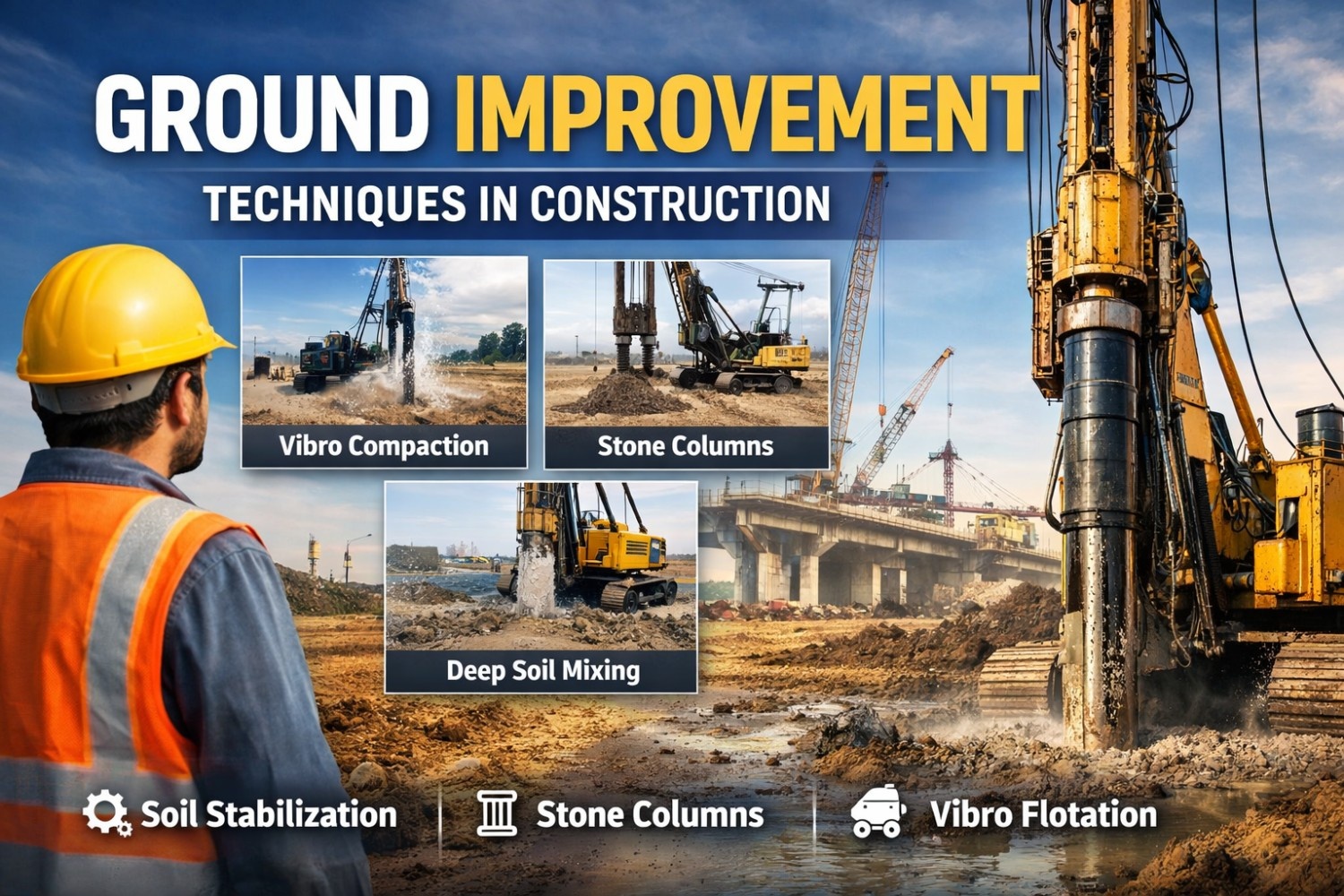
Read more...